
Which Plantations near New Orleans are Worth Visiting
With their oak-lined driveways and stately mansions, the plantations that line Louisiana’s River Road are some of the most recognizable landmarks in the state. But visiting plantations can also raise important questions about how these places interpret the difficult history of slavery.
I toured 5 different plantations near New Orleans and found that each offers a very different experience. Some focus heavily on the lives of the enslaved, while others present a broader look at plantation history and architecture.
If you’re wondering which plantations near New Orleans are actually worth visiting, I’ve ranked the ones I visited and explain what you can expect at each one and which sites provide the most meaningful and educational experience.

Why Visit the River Road Plantations?
Visiting plantations can be a controversial topic. These historic sites were once places of immense suffering where enslaved people lived and worked under brutal conditions.
Many plantations along Louisiana’s River Road have become museums that interpret this complex history, telling the stories of both the plantation owners and the enslaved people whose labor built these estates.
When plantations are preserved and interpreted thoughtfully, they become important places for education and remembrance. Rather than erasing the past, these sites can help keep the stories of the enslaved visible and ensure that this history is not forgotten.
Whitney Plantation
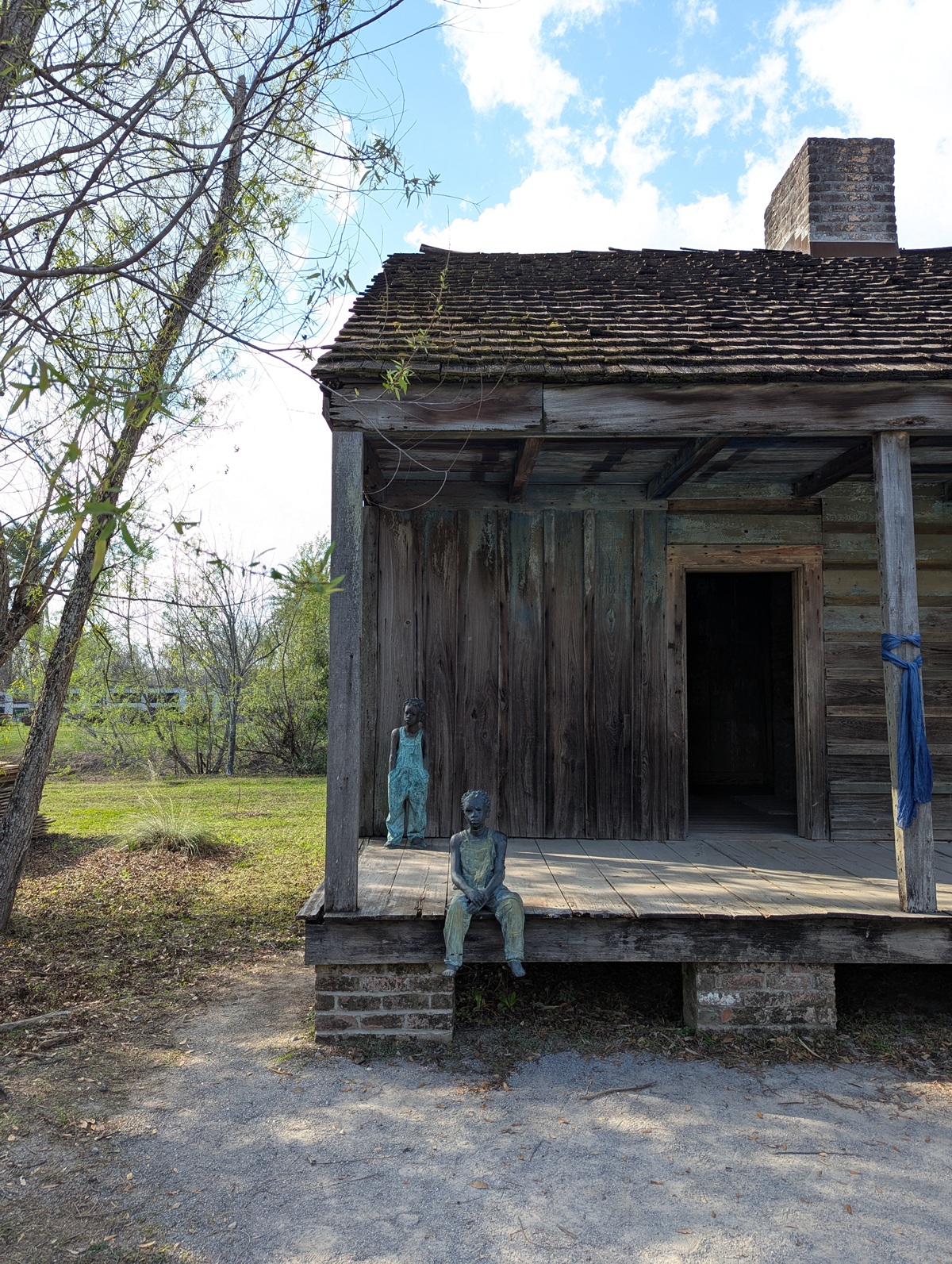
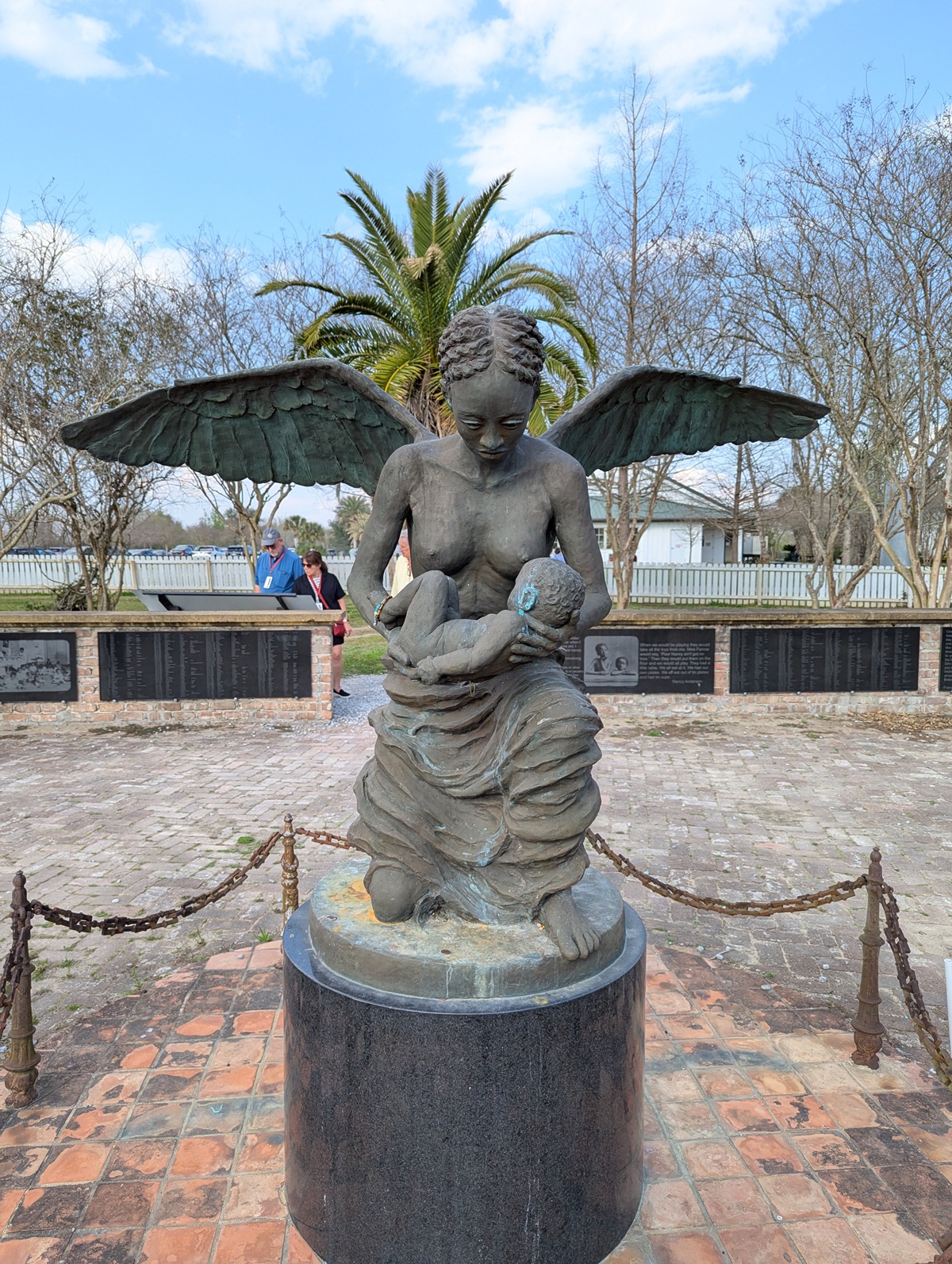
Whitney Plantation is unlike any other plantation you’ll visit along Louisiana’s River Road. Rather than focusing on the lives of plantation owners, this site is dedicated entirely to telling the story of slavery in Louisiana.
The plantation itself dates back to the 1700s, but the focus of the visit is not on the owners or the house — it’s on the lives of the enslaved people who lived and worked here. The grounds include preserved slave cabins, memorial sculptures, and exhibits on the history of slavery.
How Whitney Plantation Addresses Slavery
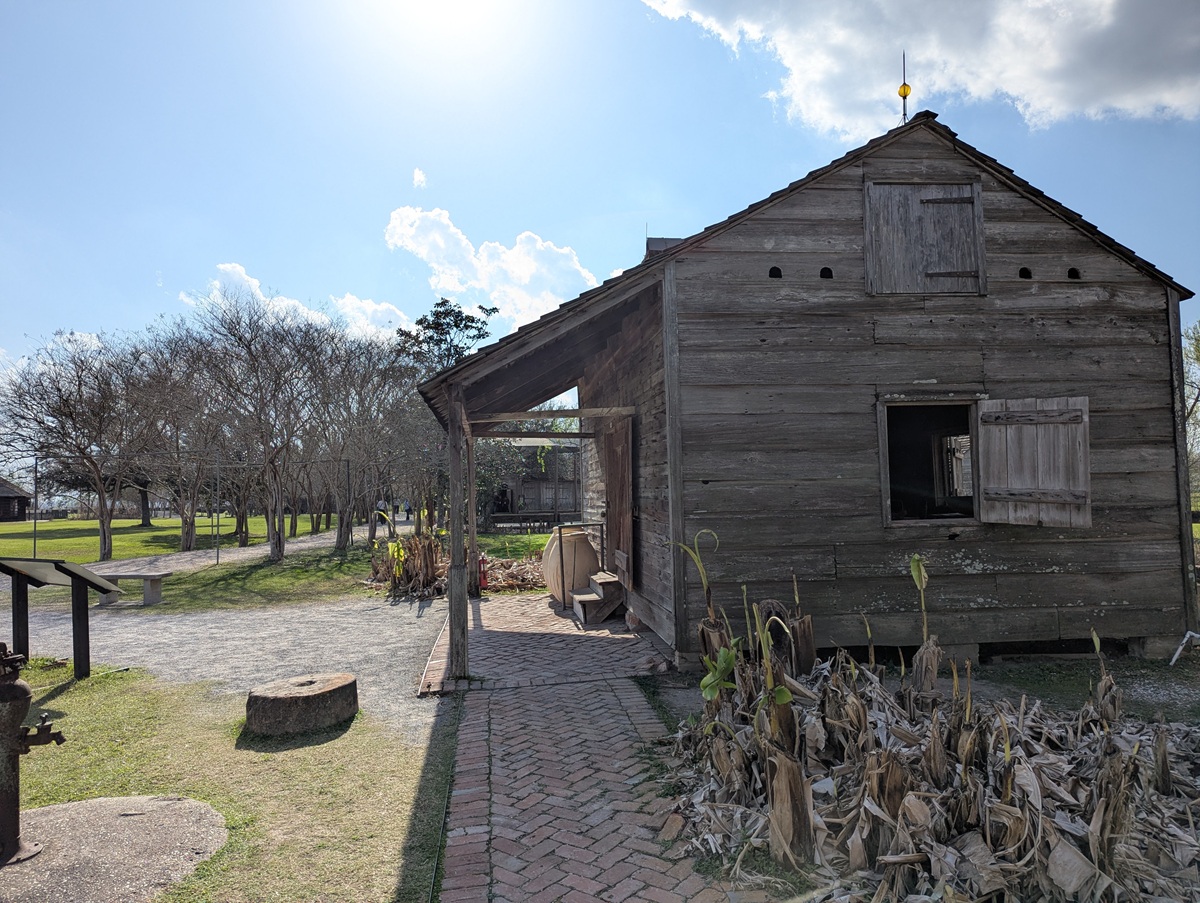
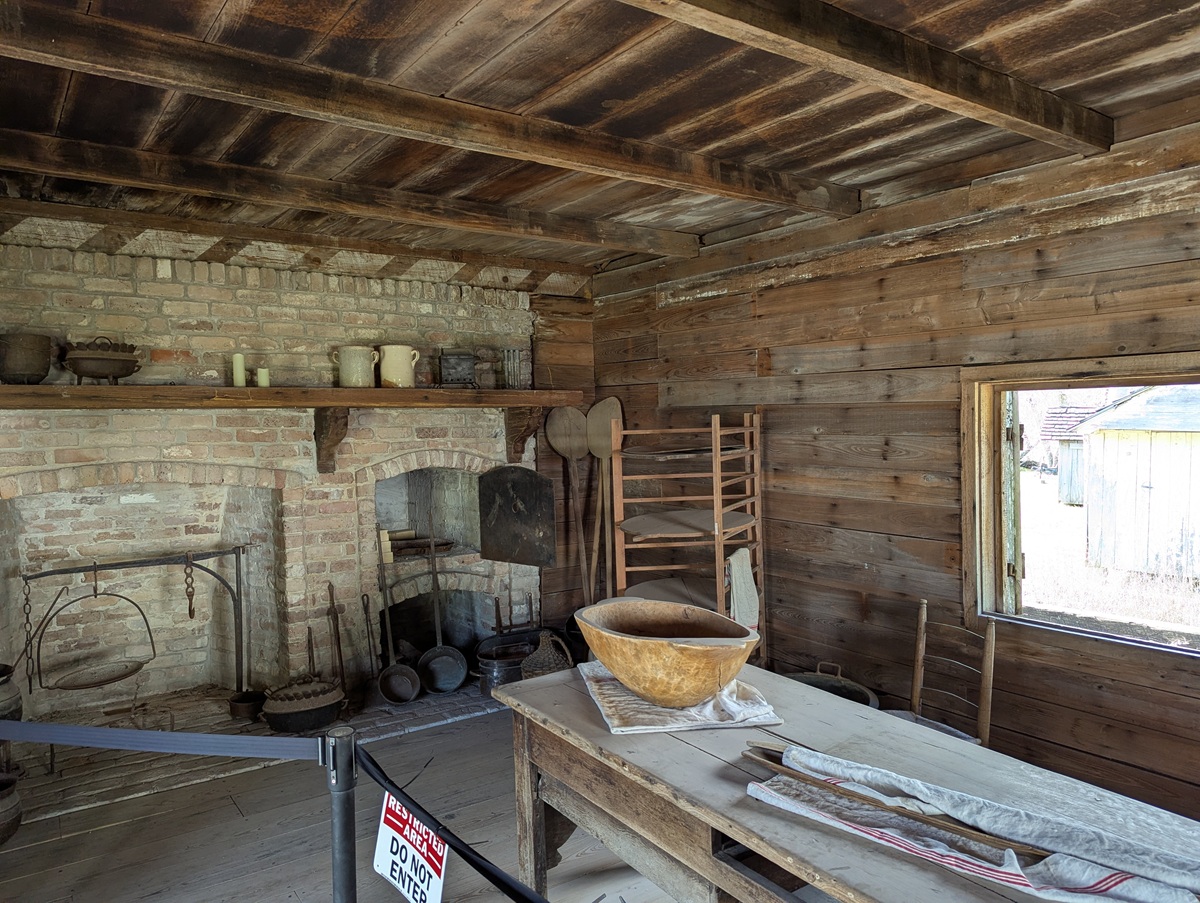
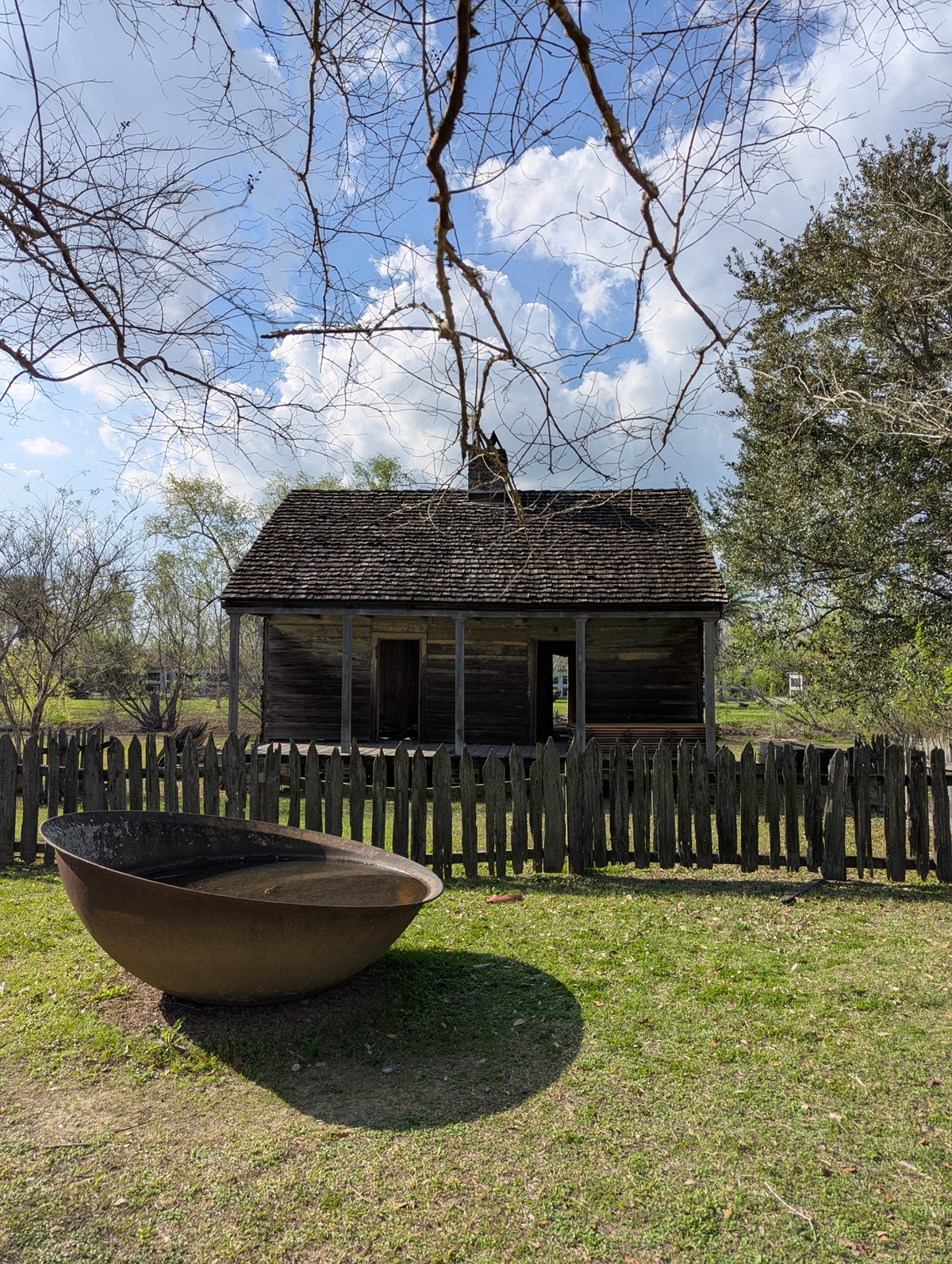
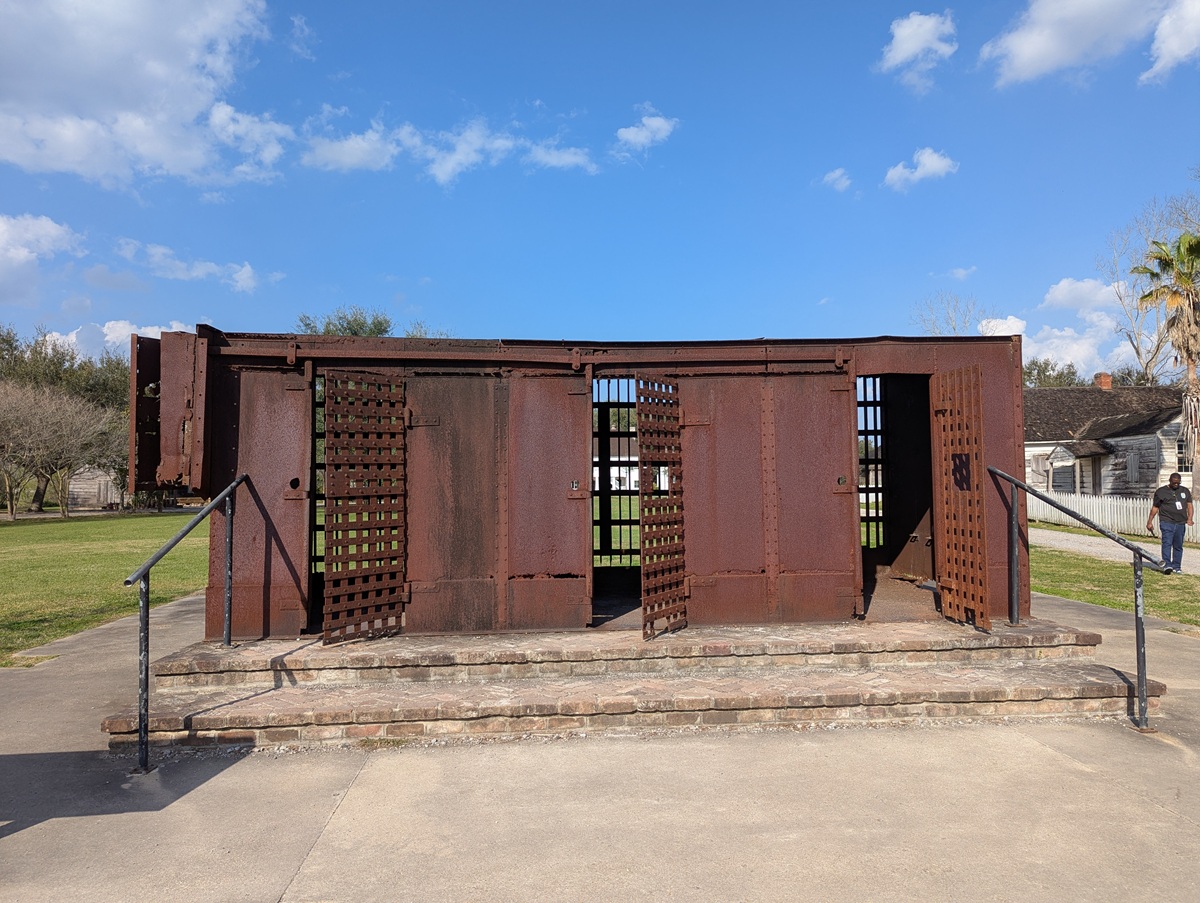
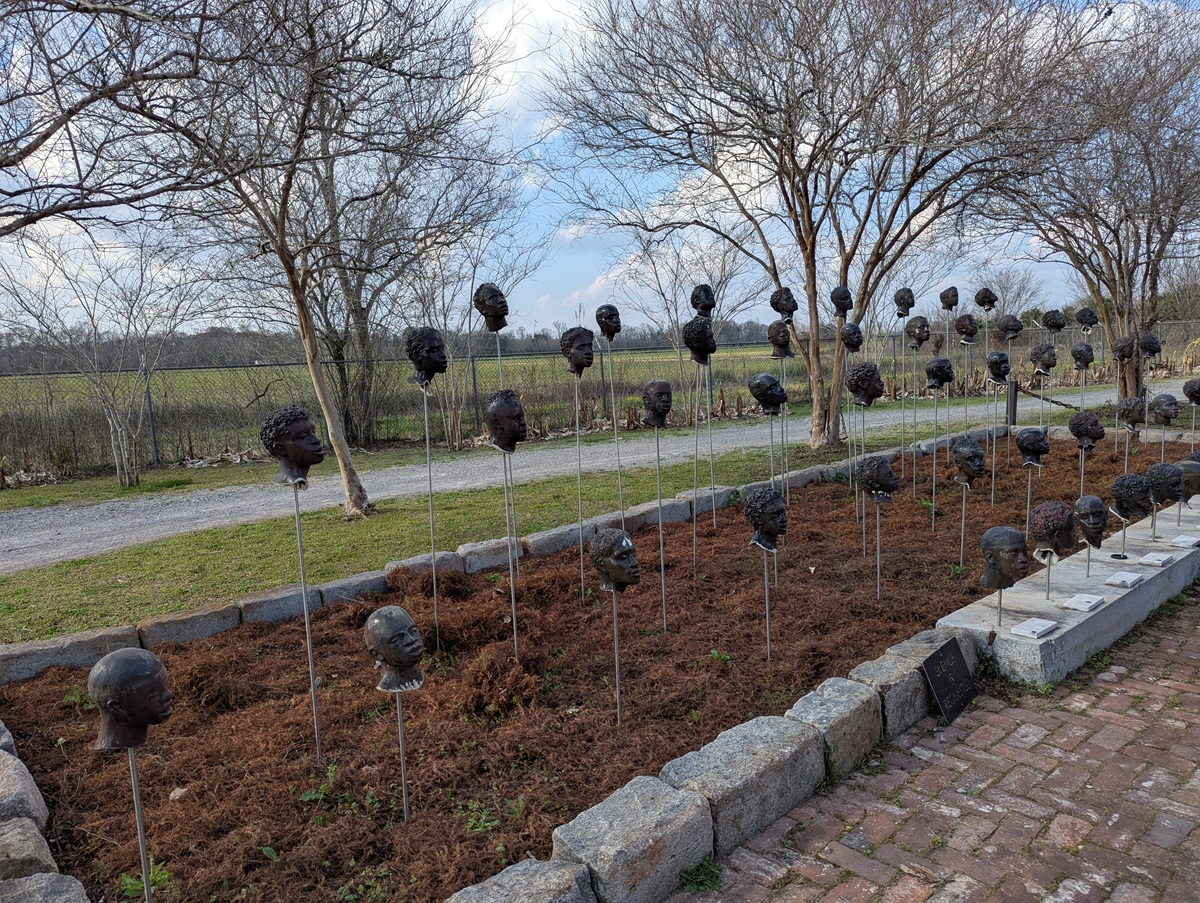
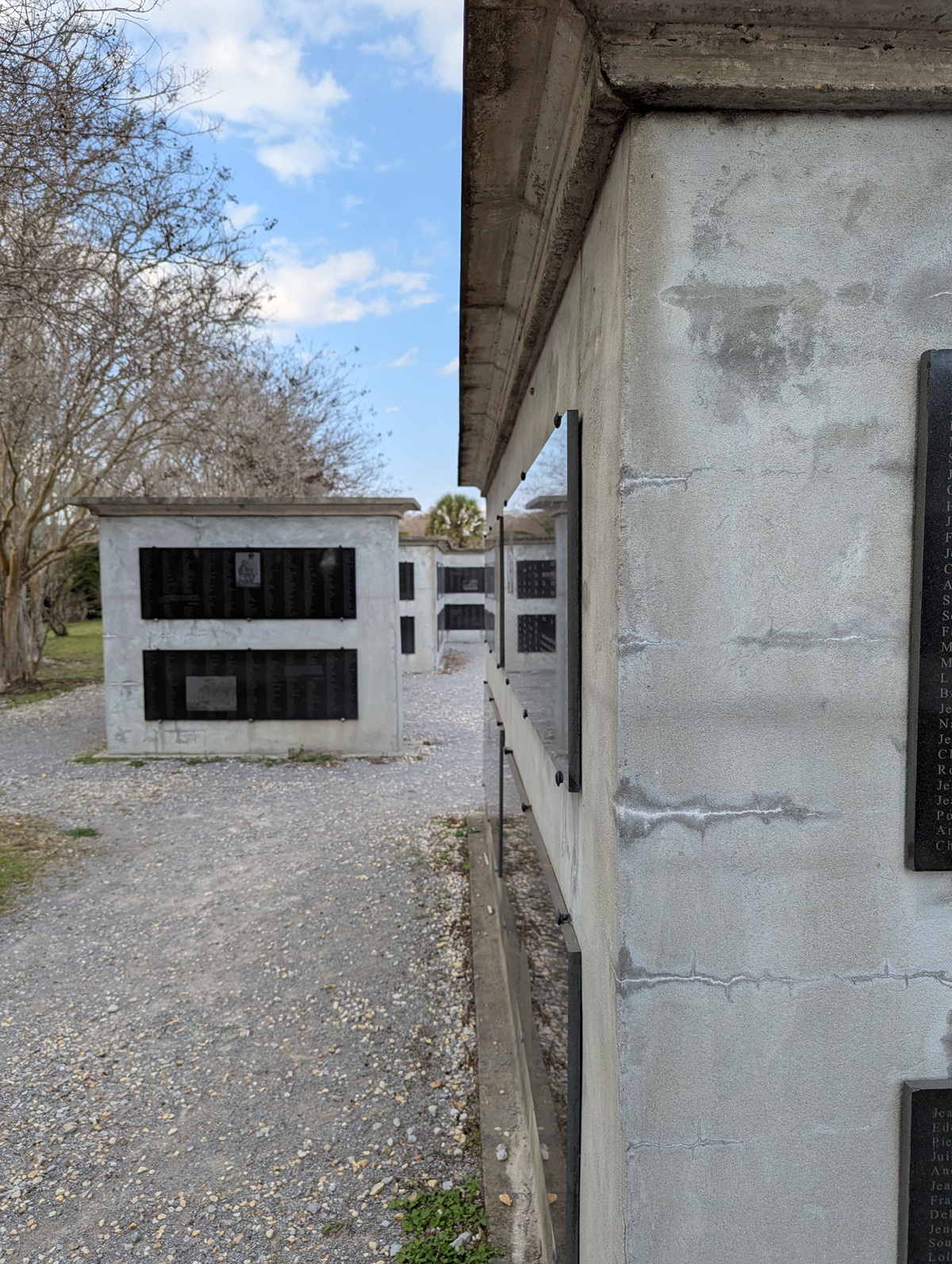
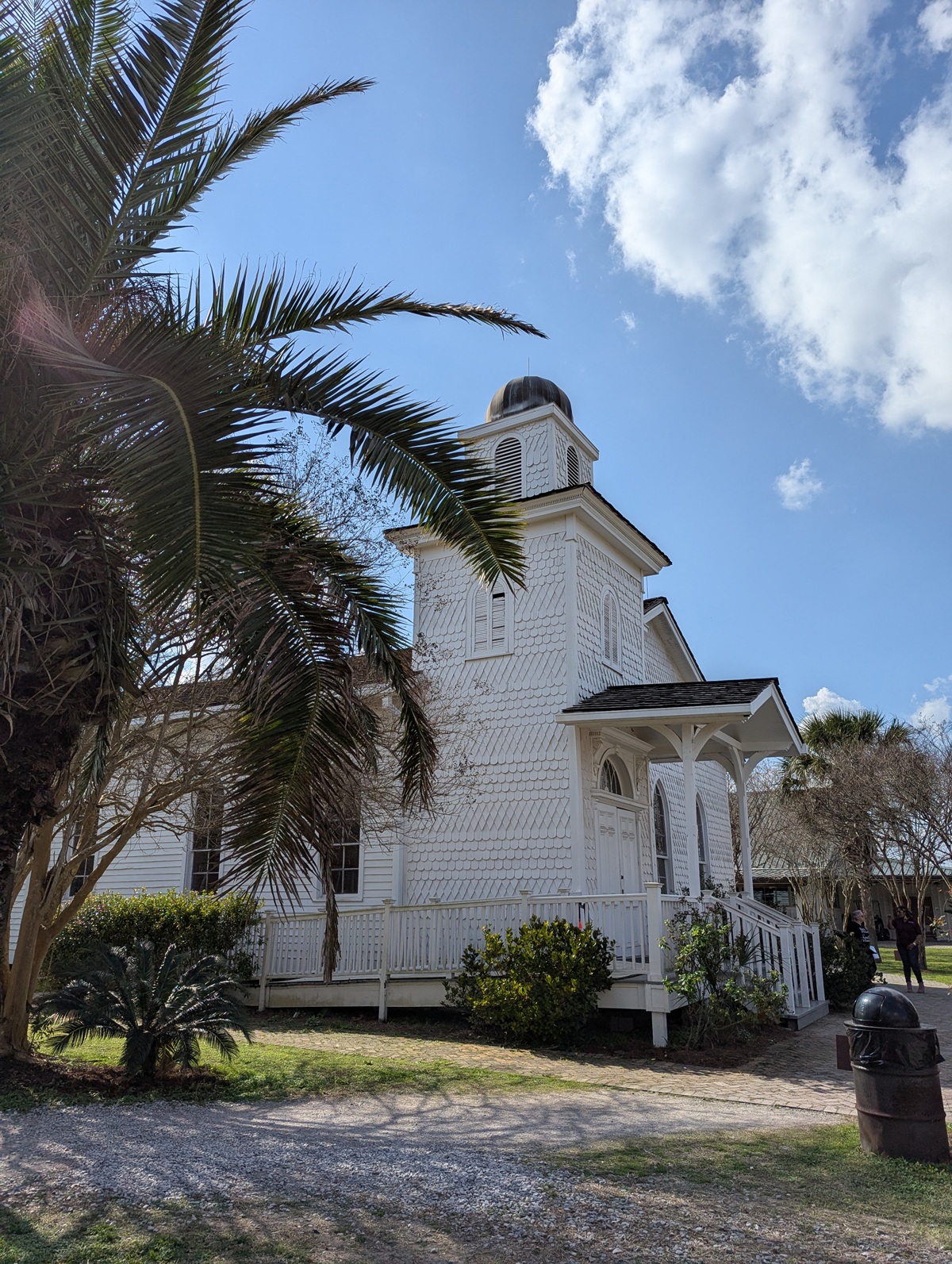
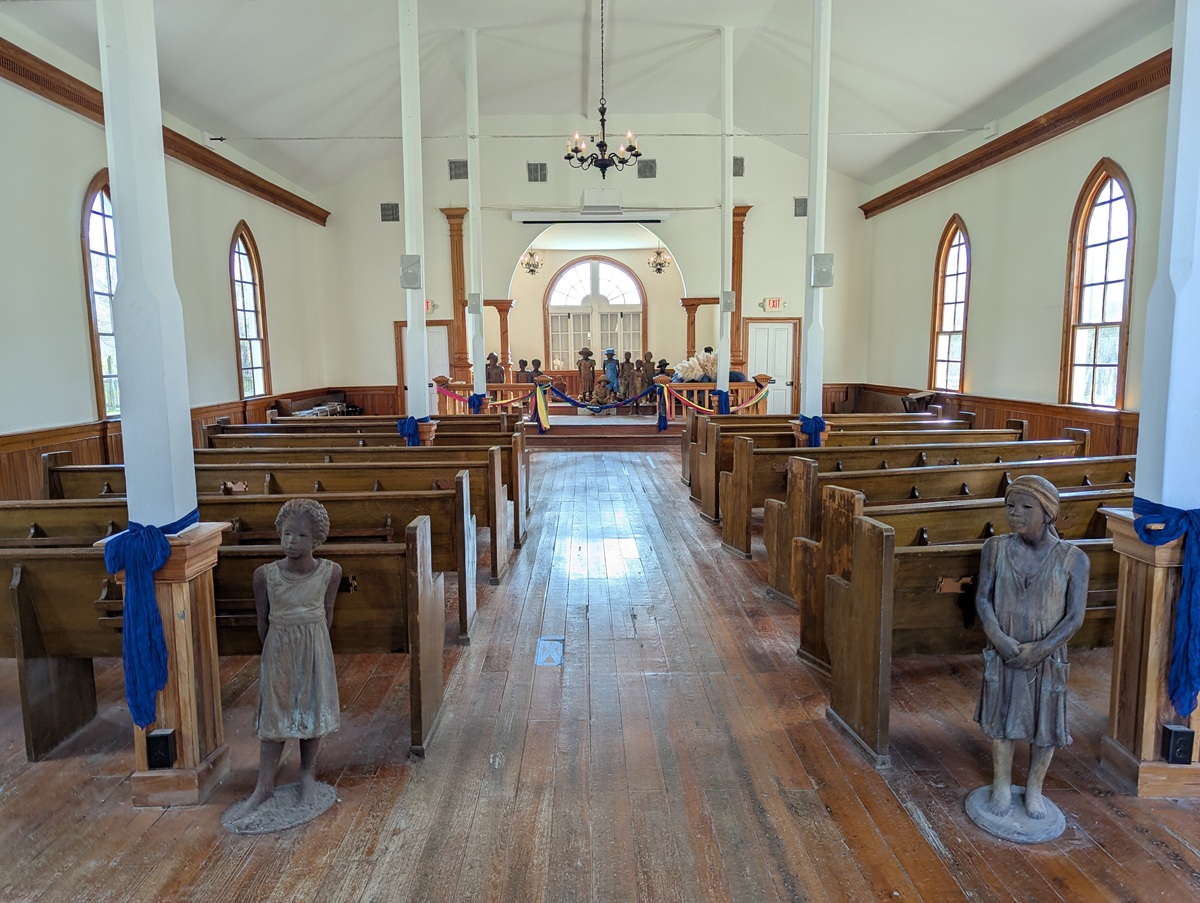
Whitney Plantation is the only plantation museum in Louisiana dedicated exclusively to the history of slavery. Every part of the experience is centered on the voices and experiences of enslaved people.
The self-guided audio tour includes interviews with formerly enslaved people and their descendants, which makes the experience feel especially raw and personal. Across the property you’ll also find powerful memorials and artwork honoring the enslaved people who lived at Whitney, those enslaved throughout Louisiana, and those who participated in the German Coast Uprising of 1811, the largest slave revolt in U.S. history.
In order to see the upstairs portion of the Big House, you’ll have to book a guided tour led by trained historical interpreters. I did the self-guided tour, but I wish I had done the guided version — I think the guides’ personal insight and storytelling would add an even deeper layer to an already powerful experience.
What stood out to me most during my visit was how different the experience felt from the other plantations along River Road. Whitney Plantation doesn’t soften the realities of slavery or balance the story with a beautiful setting — the focus remains firmly on the lives of the enslaved people who lived and worked here. I found the Children of Whitney statues throughout the property particularly moving, a somber reminder that 39 children died while enslaved at Whitney Plantation between 1823 and 1863.
Why Visit Whitney Plantation
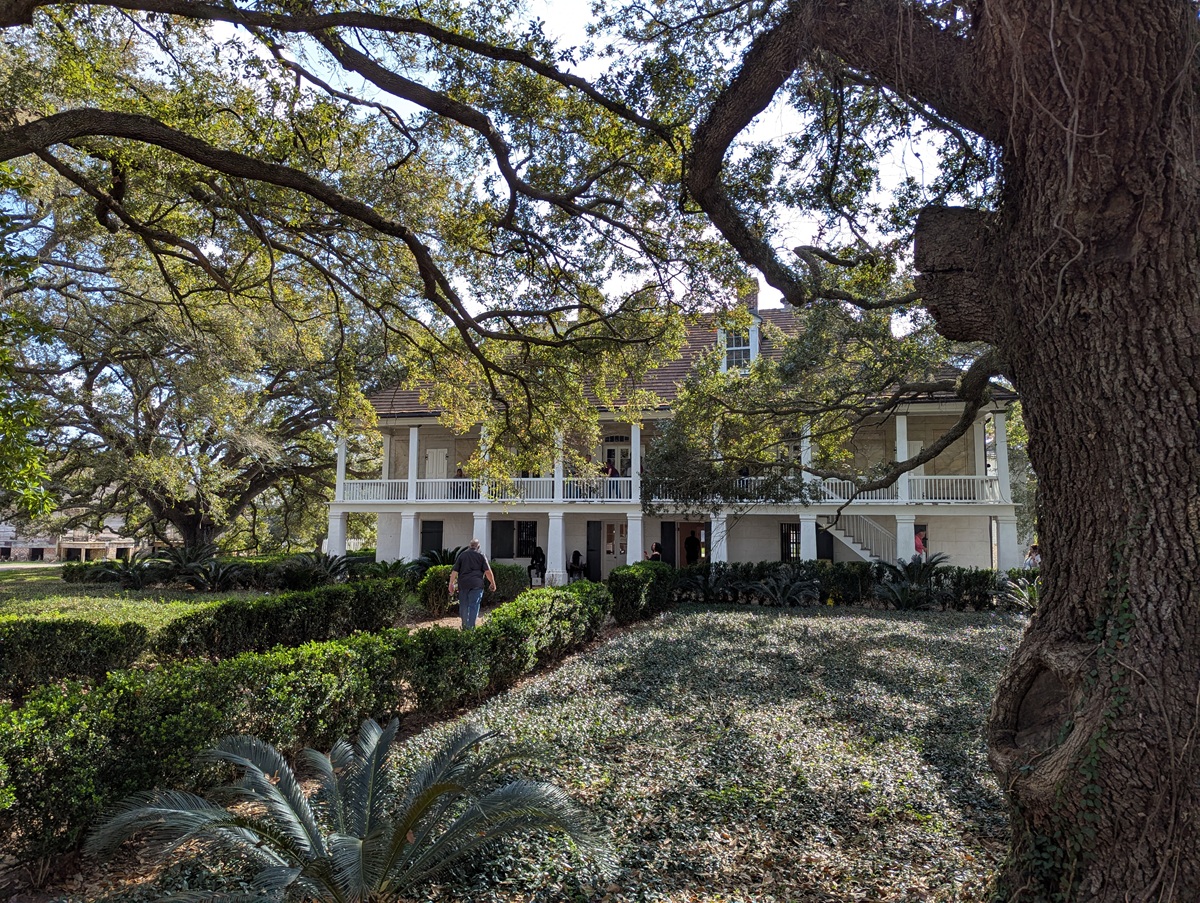
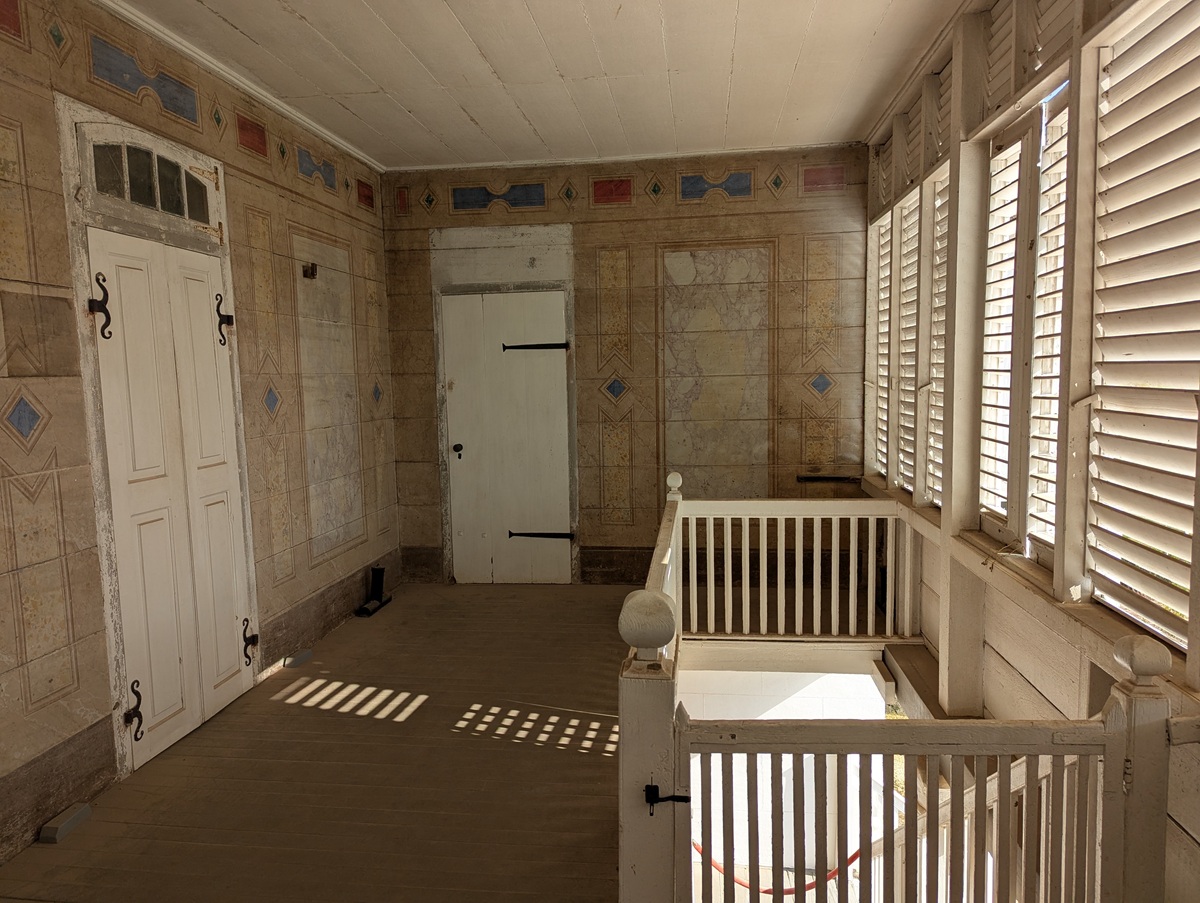
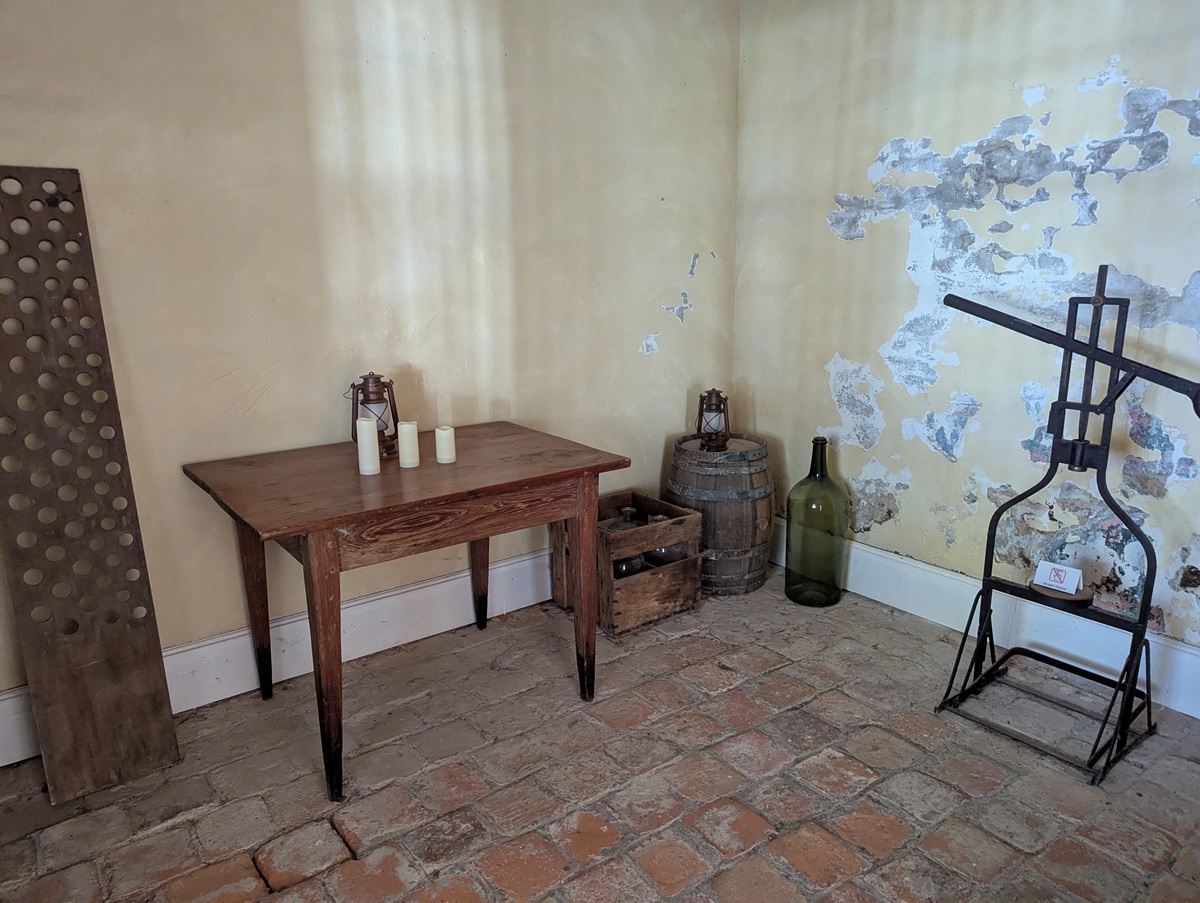
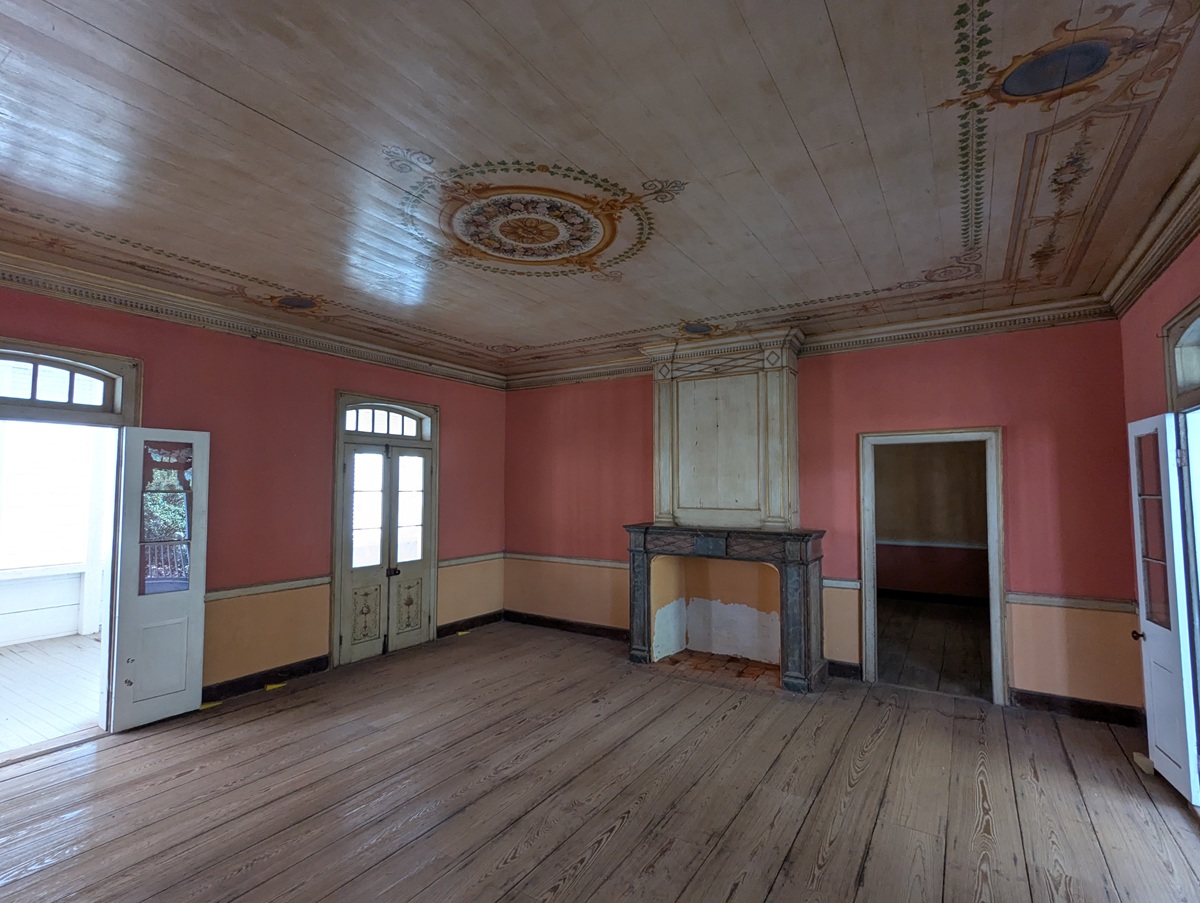
Whitney Plantation offers one of the most powerful and educational historical experiences along Louisiana’s River Road. Rather than presenting plantation life through the lens of the Big House, the site focuses entirely on the people whose forced labor built these estates.
Reasons to Visit Whitney Plantation
- The only plantation museum in Louisiana dedicated entirely to the history of slavery.
- A powerful and unfiltered tour experience that centers the voices of enslaved people and their descendants.
- Preserved historic buildings across the grounds, including original slave cabins.
- Memorials and artwork honoring enslaved communities throughout Louisiana.
- Educational exhibits about major historical events, including the German Coast Uprising of 1811.
Book your Whitney Plantation Guided Tour here.
Laura Plantation
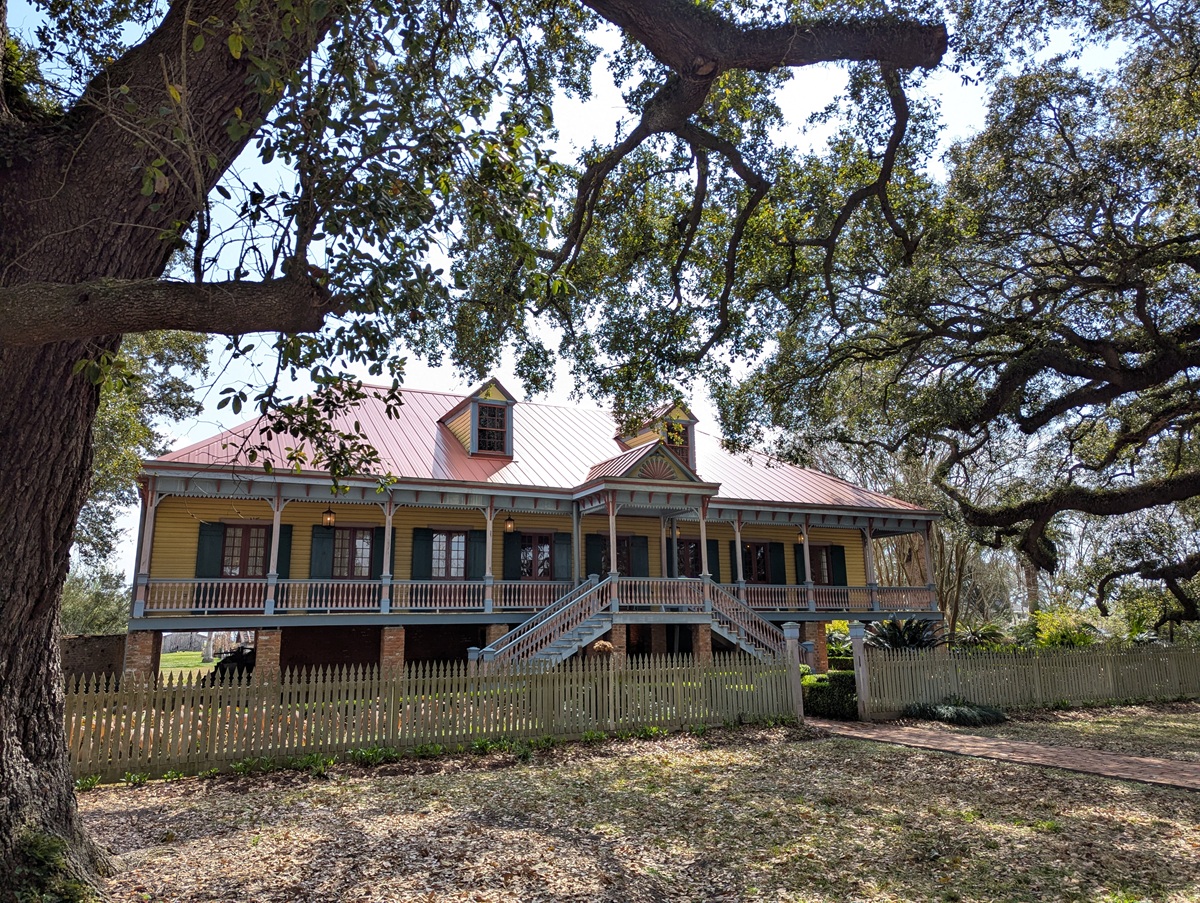
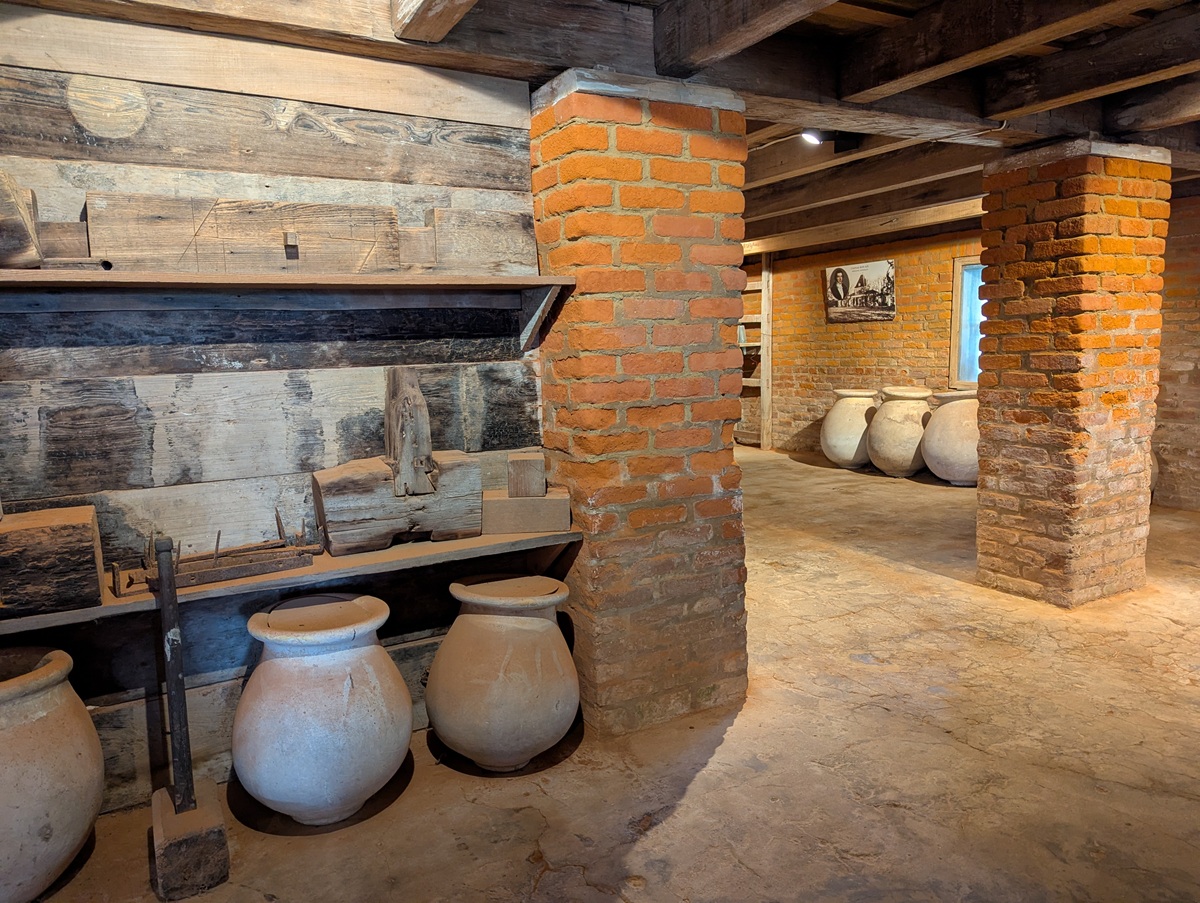
Laura Plantation is a Creole plantation, which immediately sets it apart from the grand Greek Revival style of plantations like neighboring Oak Alley. Laura’s colorful main house reflects the Creole architectural traditions of the region.
The guided tour here was one of the best I’ve taken of a plantation. It explores the Big House, the gardens, and the original 1840 slave cabins, highlighting the free and enslaved people who lived and worked here while putting an emphasis on how much the lives of the enslaved differed from the home’s elegant surroundings.
How Laura Plantation Addresses Slavery
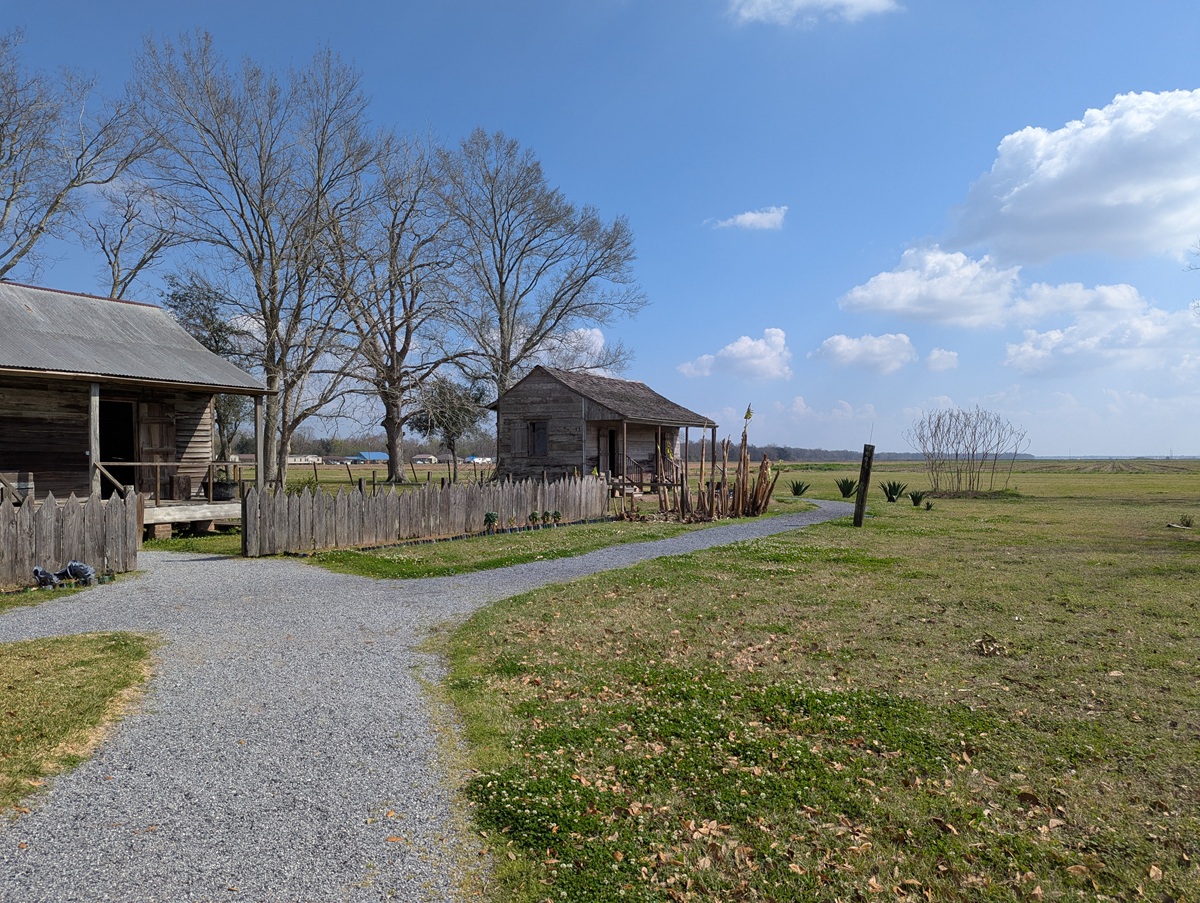
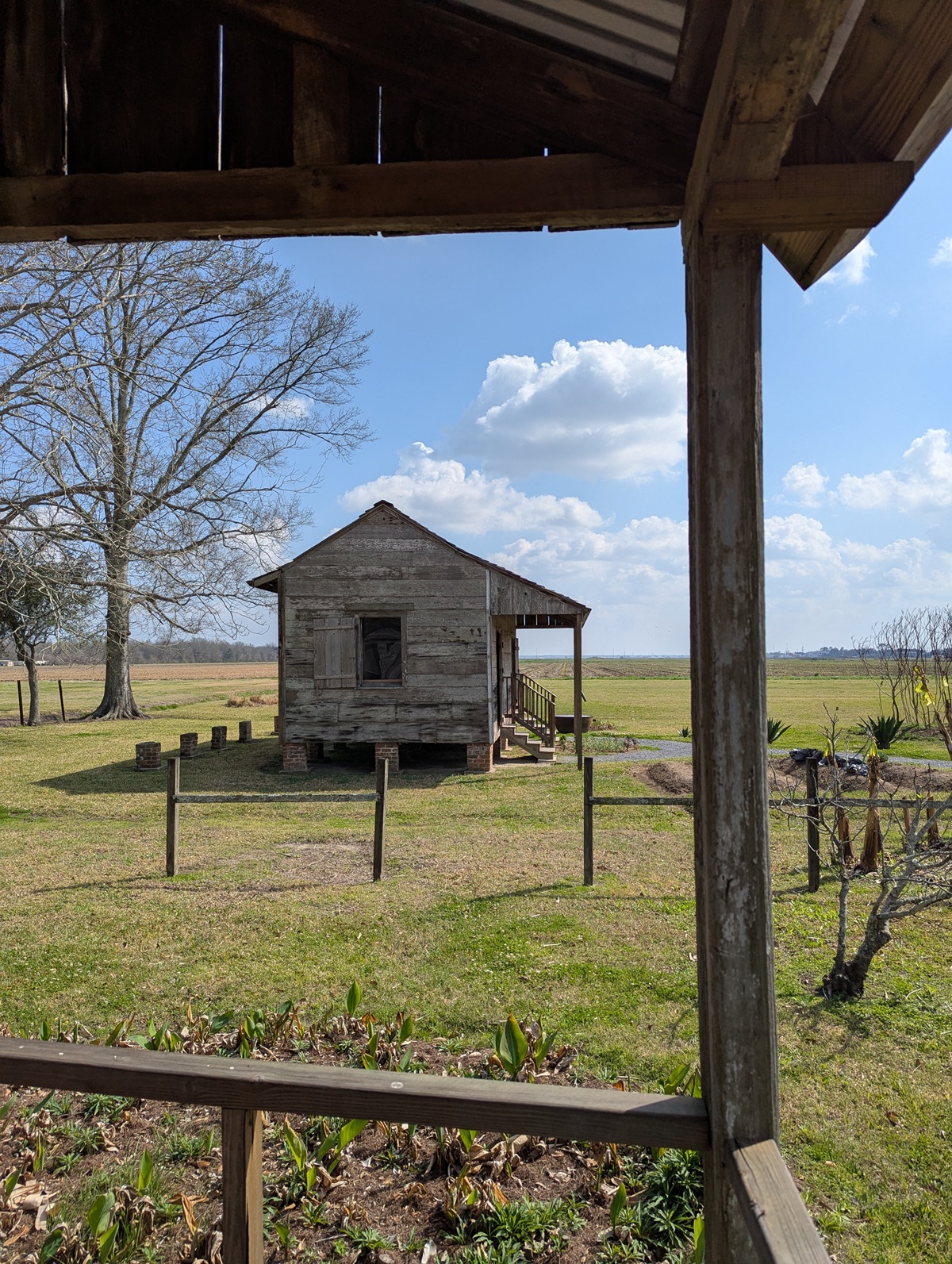
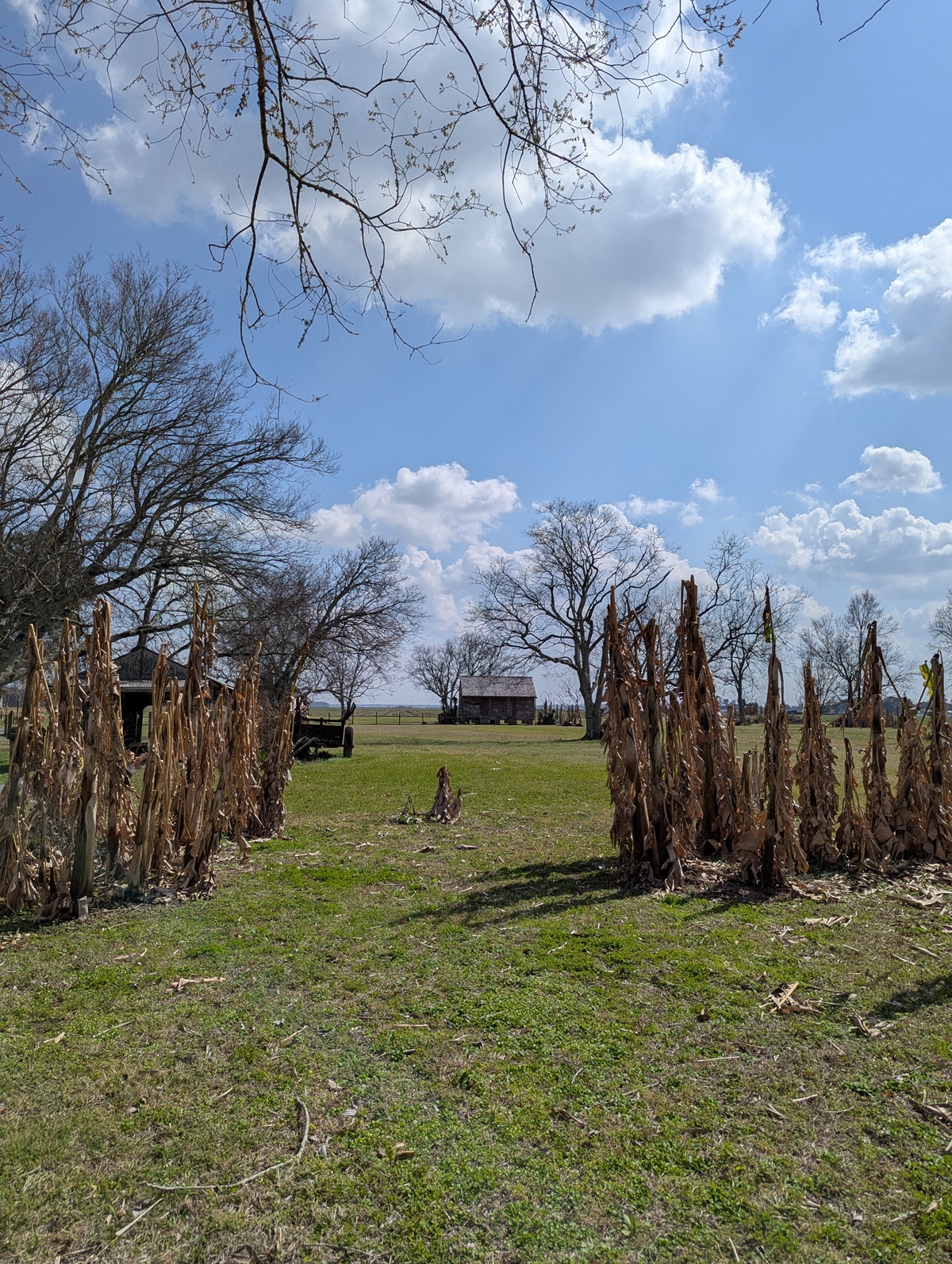
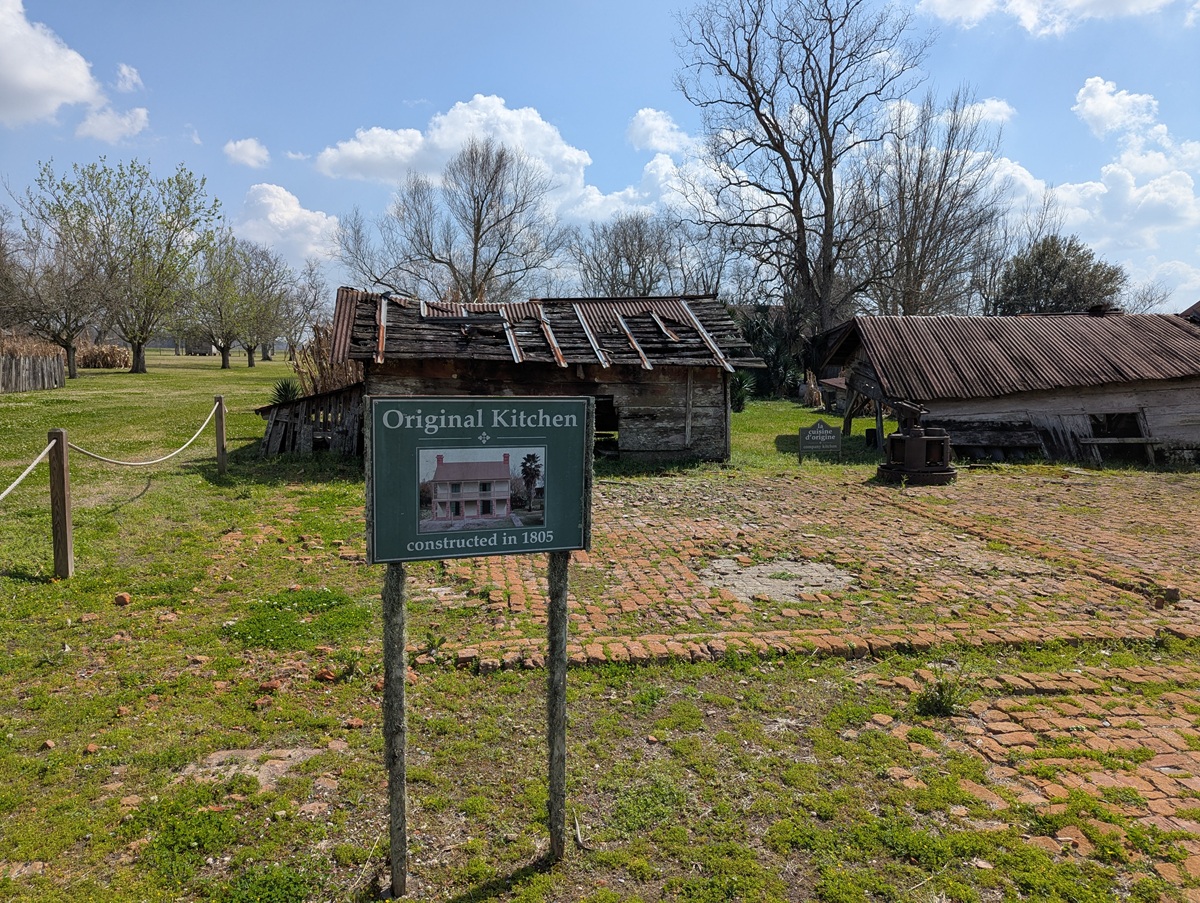
Laura Plantation was actually the first historic attraction in Louisiana to include the stories of enslaved people as part of its regular tours, and that focus is still central to the experience today.
The stories shared during the tour are based on Memories of the Old Plantation Home by Laura Locoul Gore along with extensive archival research. Each room essentially focuses on a different member of the plantation owning family, the enslaved people they owned, and some of the documented interactions and mistreatments those people suffered.
What stood out to me during my visit was how deeply personal these stories felt compared to other plantations. This is in part due to the writings of Laura Gore, whose family owned the planation and for whom it is named. It’s also due to the fantastic tour guides who are gifted storytellers and don’t shy away from the dark nature of the stories.
Our guide even related some of the relationships and power dynamics back to current events, making the history feel much more immediate and human.
Why Visit Laura Plantation
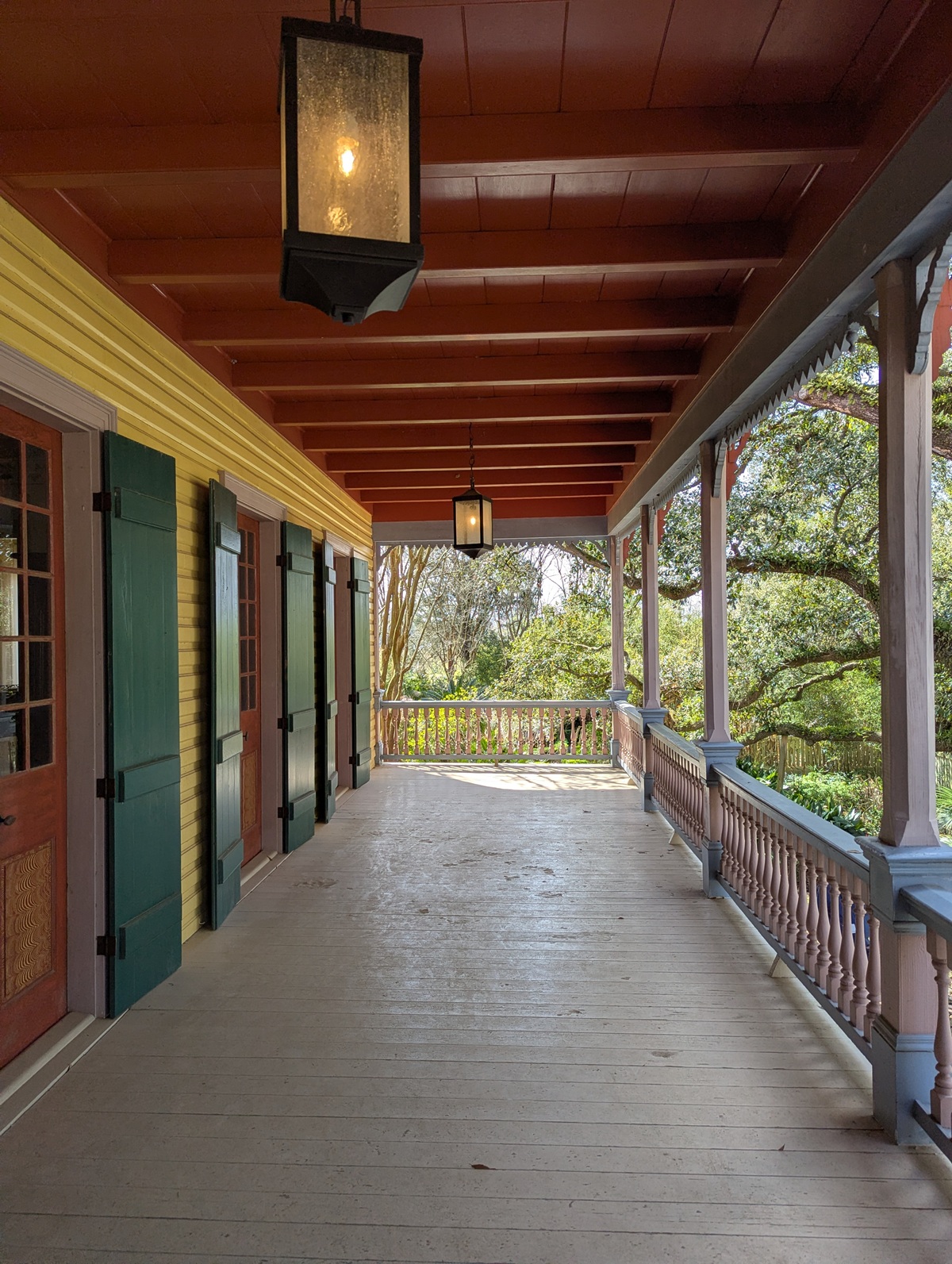
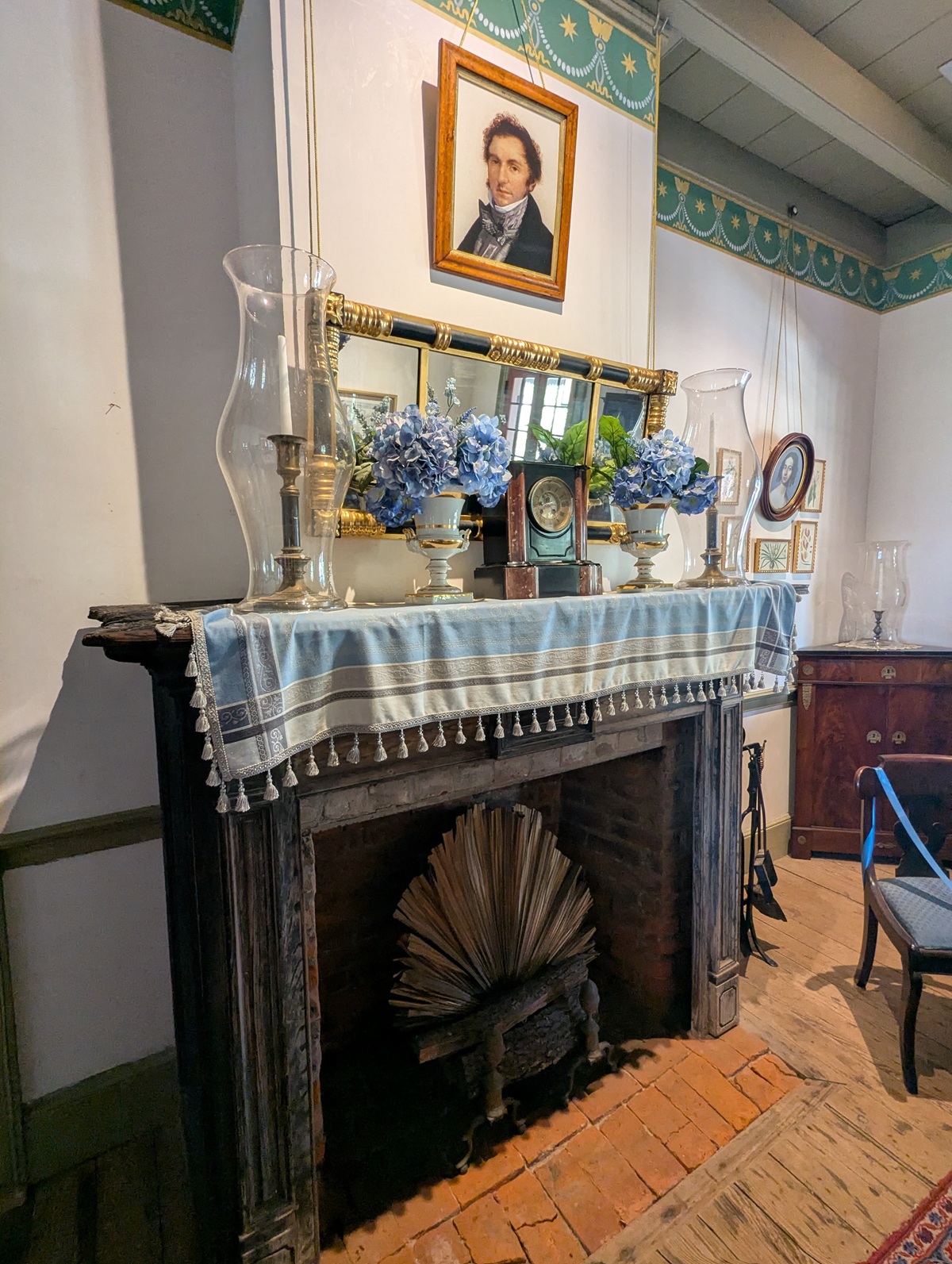
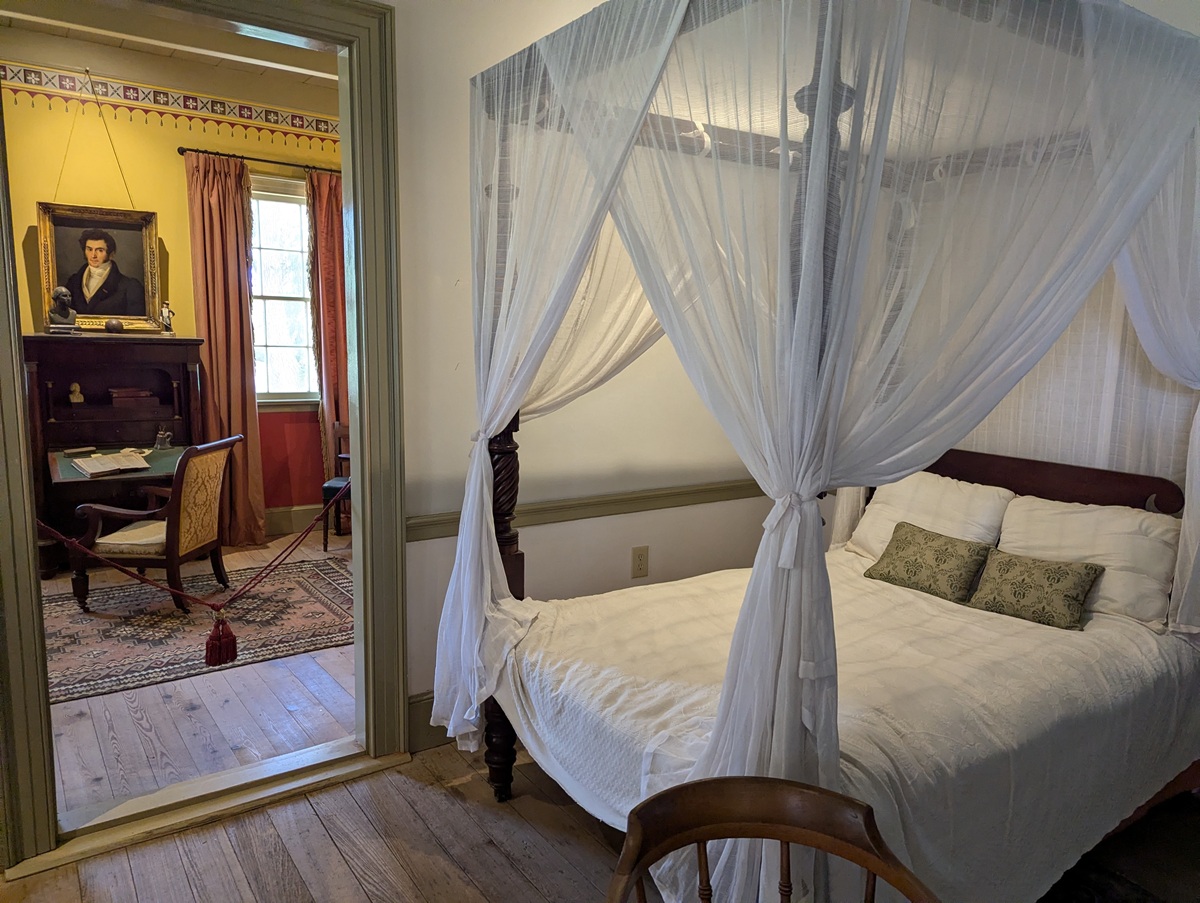
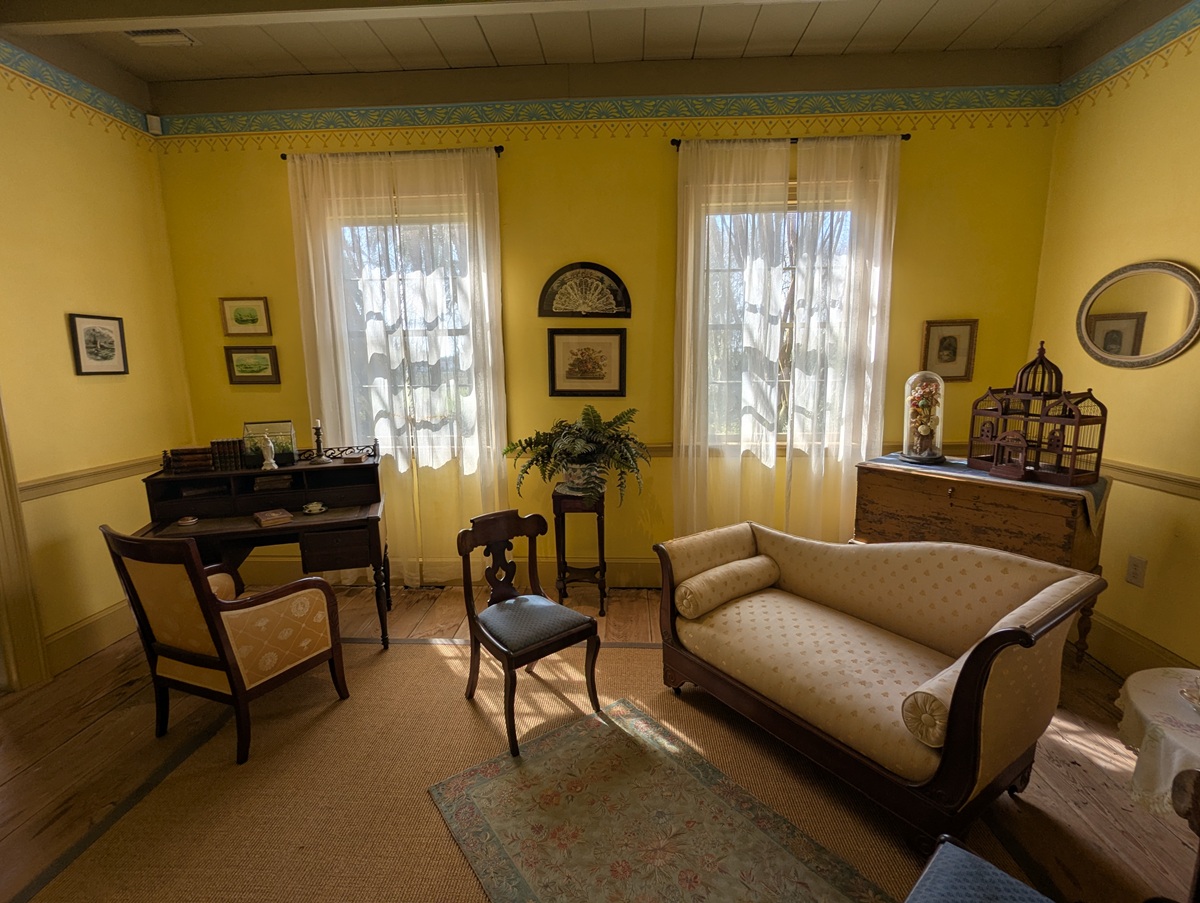
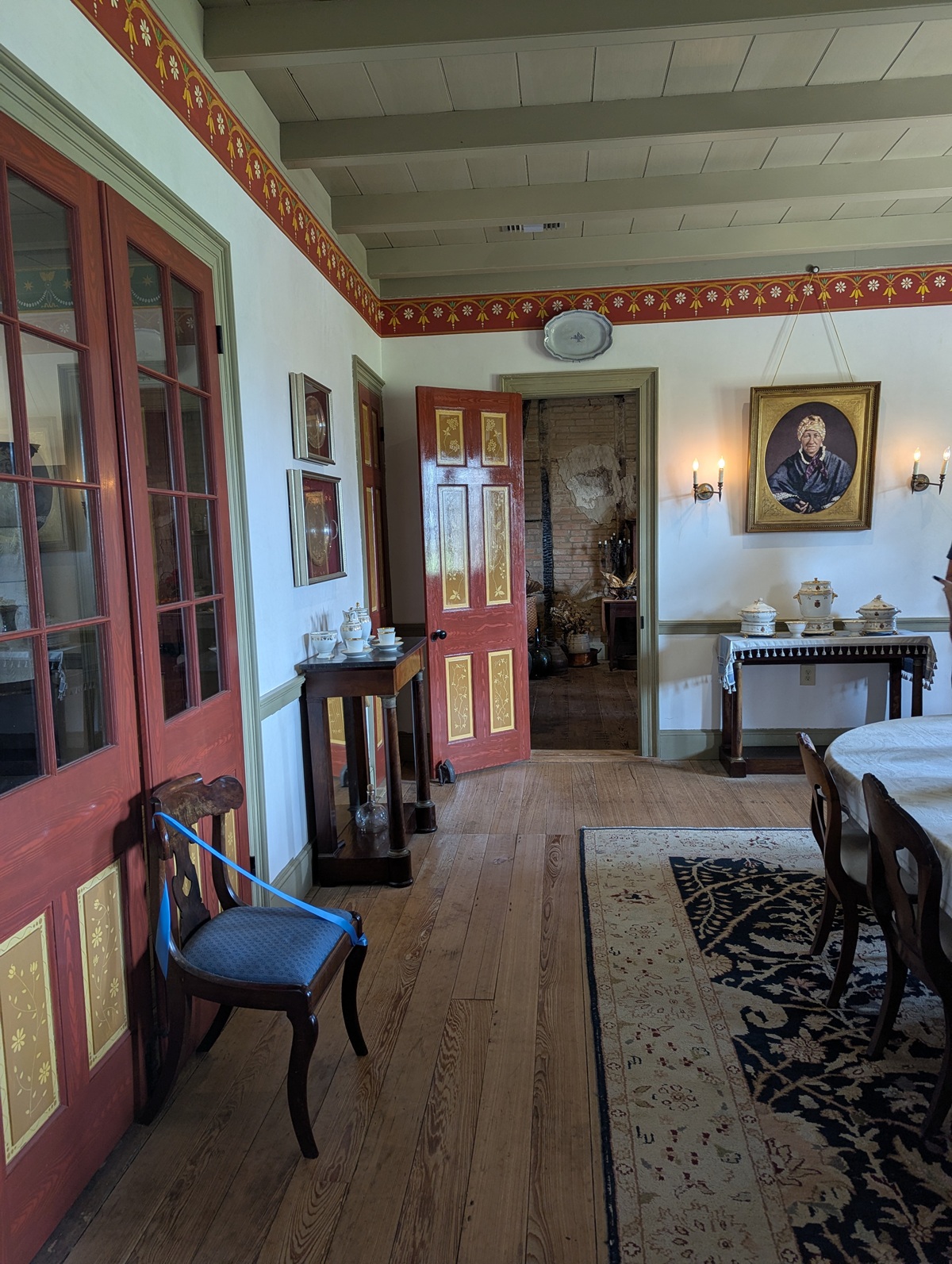
Laura Plantation offers one of the most engaging and story-driven plantation tours near New Orleans. The experience focuses less on grand architecture and more on the people who lived here — both free and enslaved — which creates a much more personal understanding of plantation life.
Reasons to Visit Laura Plantation
- One of the most engaging guided tours on River Road, with storytelling based on real historical documents.
- Strong interpretation of slavery and Creole culture woven directly into the tour narrative.
- Access to the original 1840 slave cabins, which are among the best-preserved in the region.
- A unique Creole plantation perspective, different from the more common American plantation style.
- Stories that connect historical events with themes that still resonate today.
Book your Laura Plantation Guided Tour here.
Oak Alley Plantation
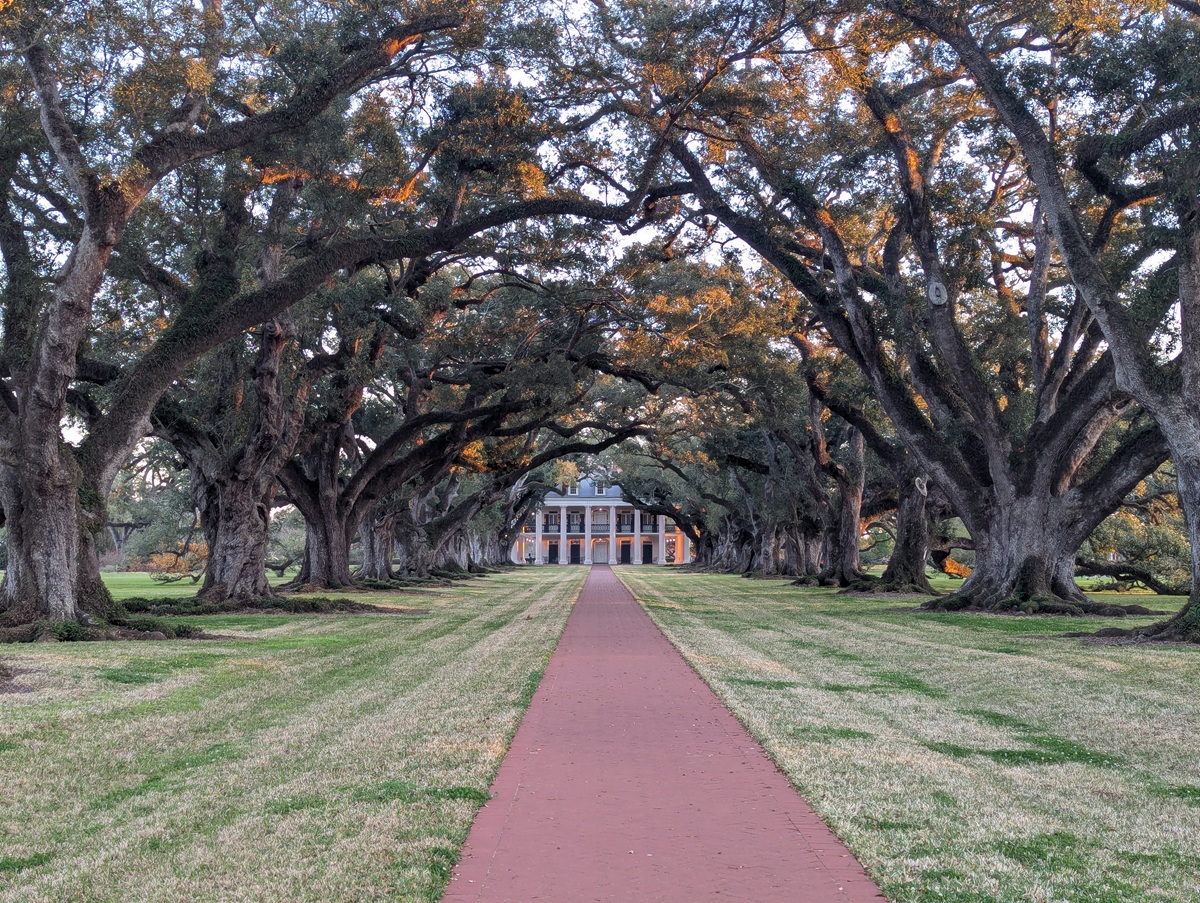
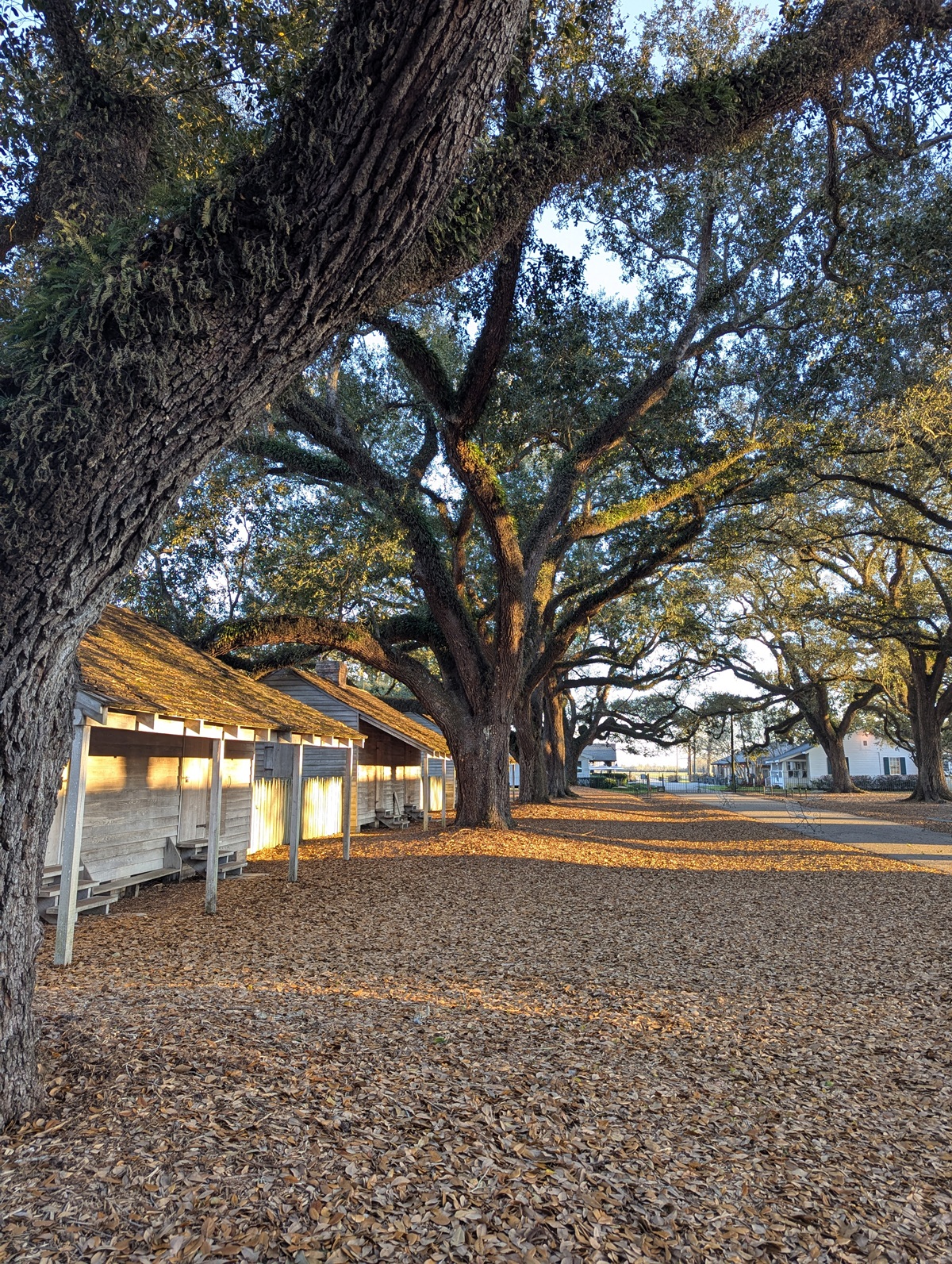
With its towering alley of 300-year-old live oaks leading to a striking Greek Revival-style mansion, Oak Alley Plantation is one of the most iconic historic sites along Louisiana’s River Road. It’s the most visited, and the most photographed, plantation near New Orleans — the grounds are undeniably gorgeous.
Like many historic plantation sites, Oak Alley Plantation has faced criticism in the past for focusing too heavily on the beautiful house and location and not enough on the horrors of slavery. But they have made huge changes to how they present the plantation’s history, and it’s been a major improvement.
How Oak Alley Plantation Addresses Slavery
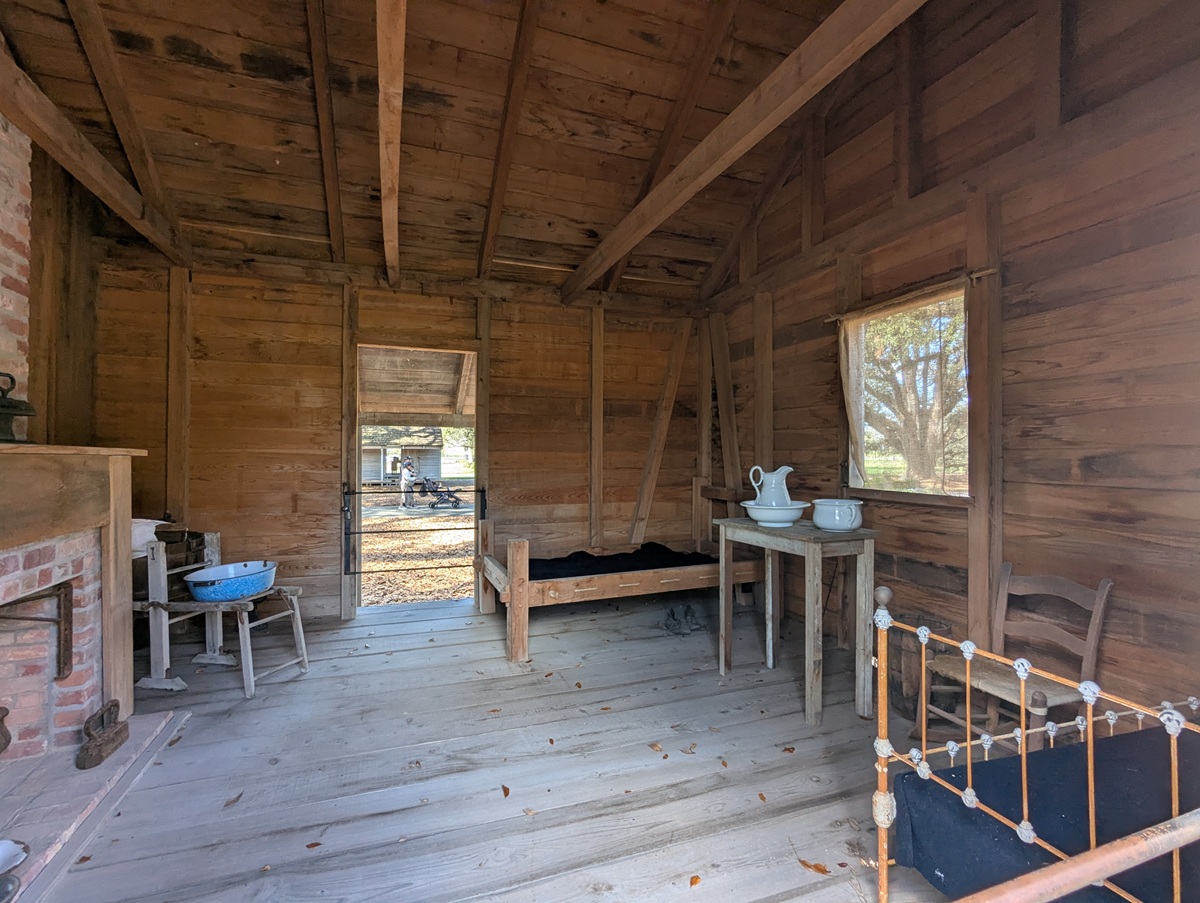
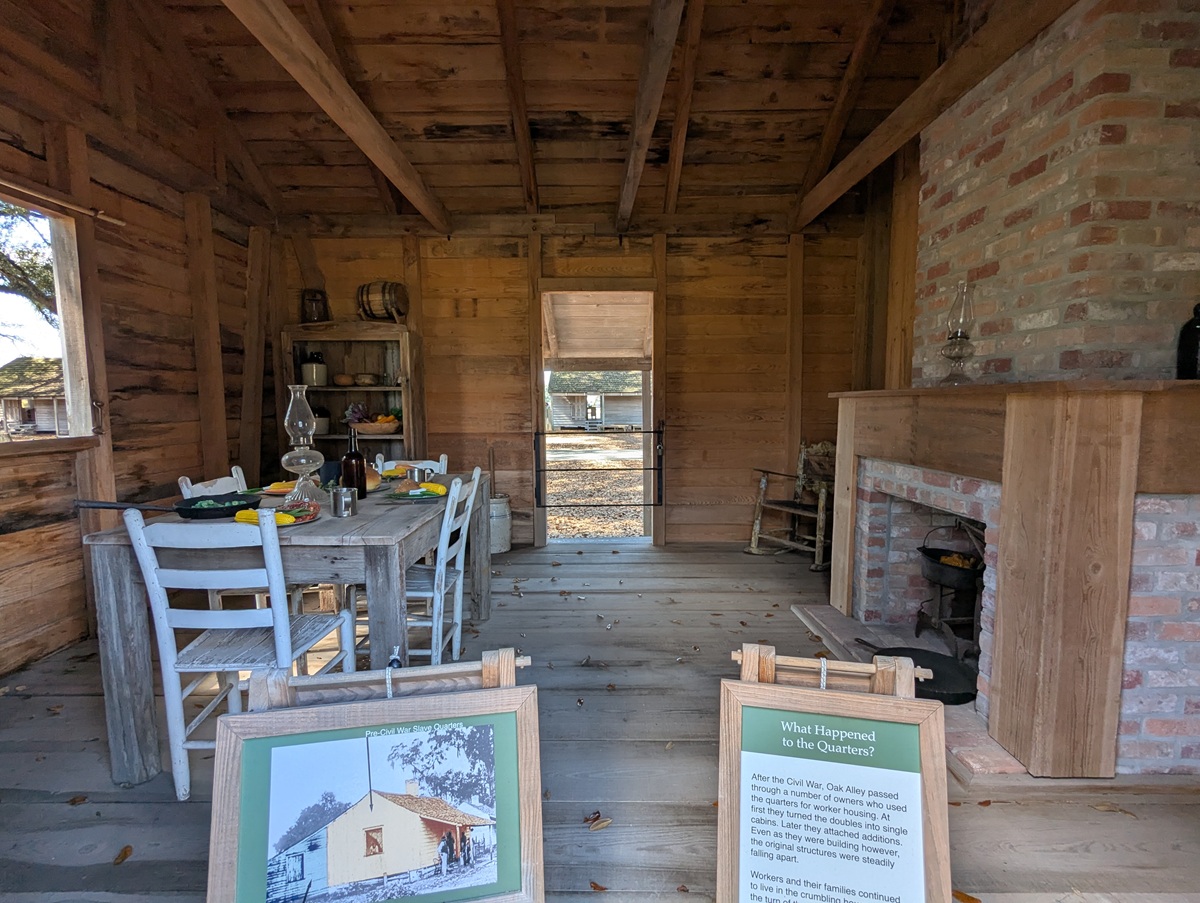
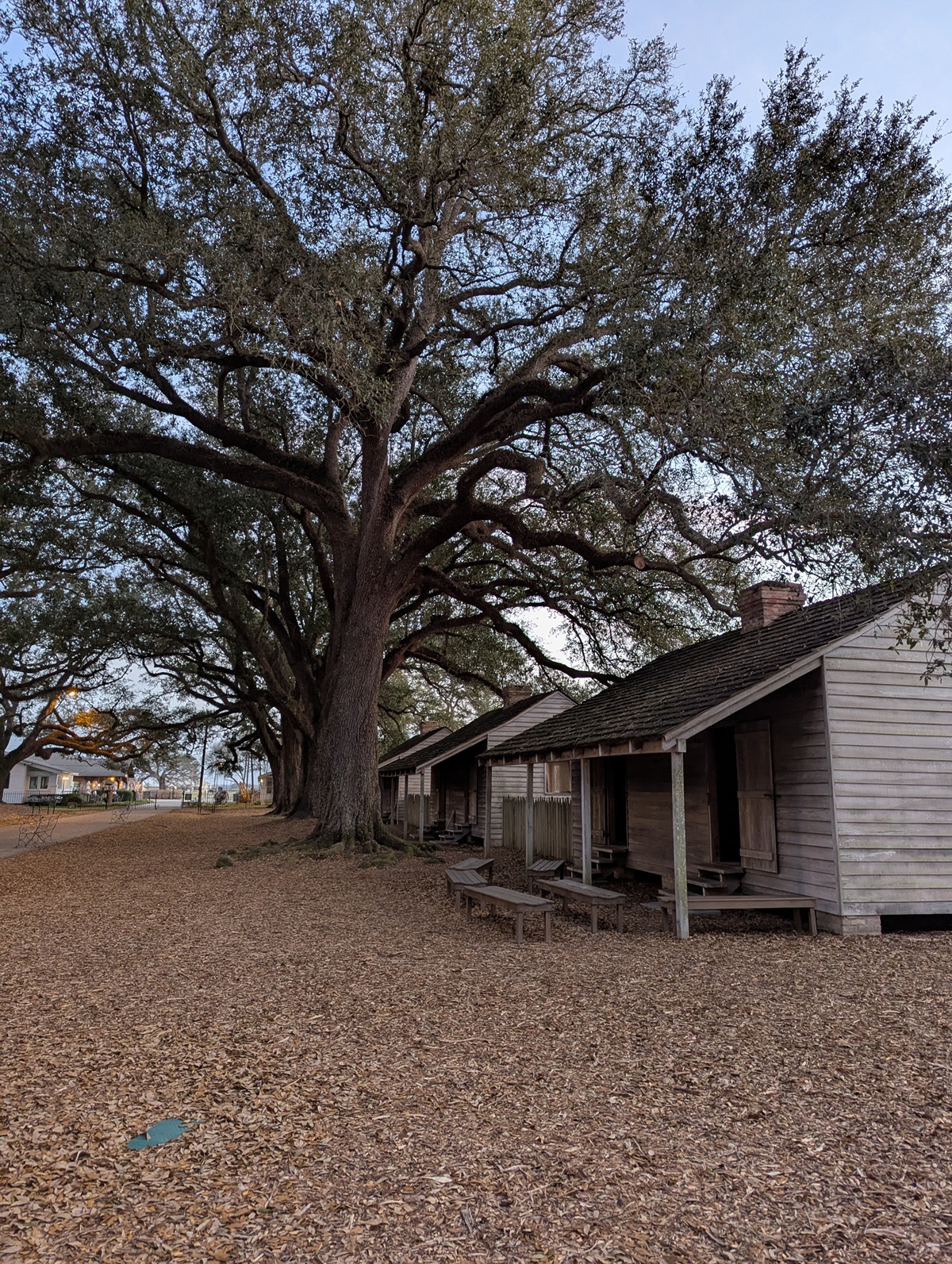
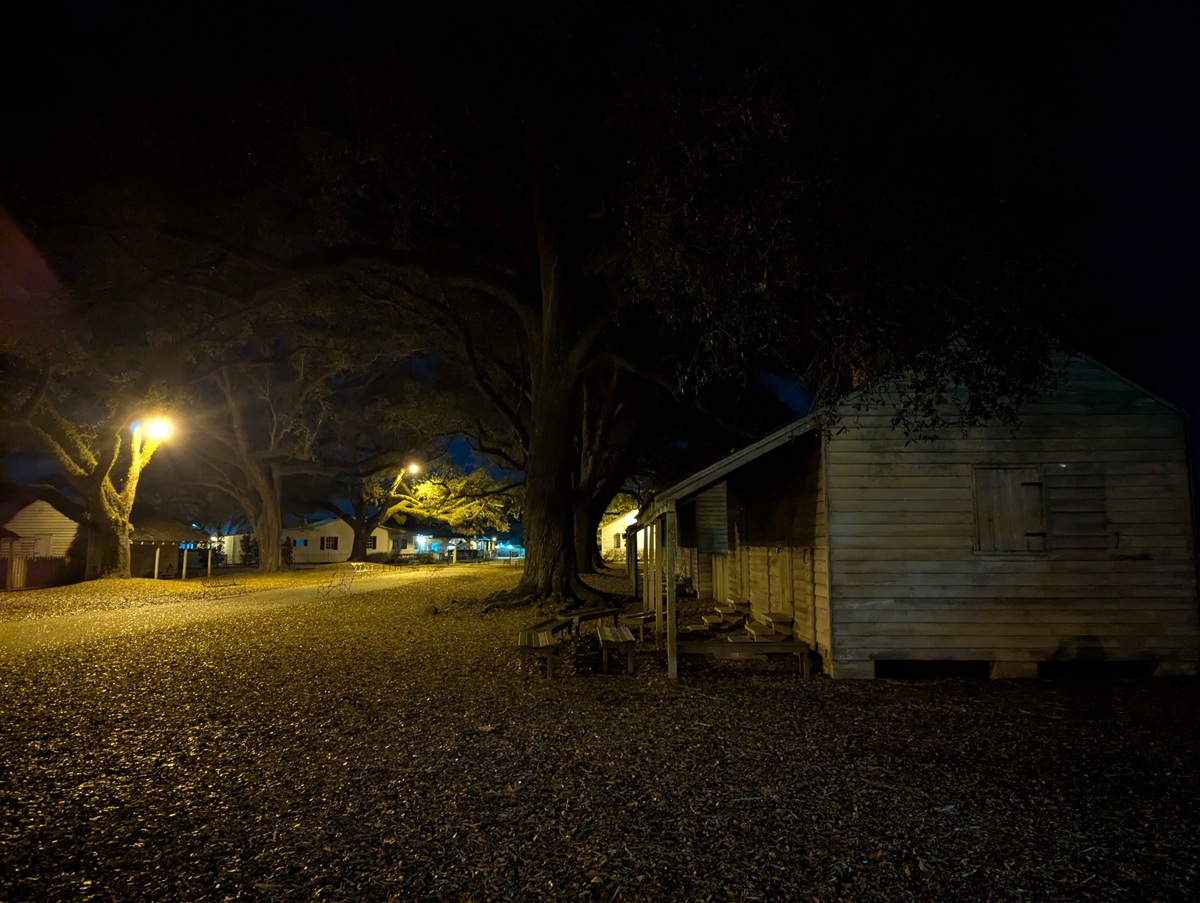
Oak Alley no longer ignores the realities of slavery; gone are the tour guides in hooped skirts and the emphasis on the architecture of the home. The mint juleps and the view from the veranda remain, but the way they present the history of slavery at the plantation has completely changed.
The Slavery at Oak Alley exhibit, located in reconstructed cabins, shares the stories of enslaved men, women, and children who lived and worked here. The Sugarcane Theatre explains how the plantation economy relied on enslaved labor, and informational displays throughout the grounds continue the story through Reconstruction and beyond, when many of those freedmen and women remained and worked for little to nothing still.
Inside the Big House, which you can only see on a guided tour, the guides don’t gloss over slavery in favor of a pretty house — they highlight the realities of the enslaved people who worked inside the home and out in the field.
What I noticed most about their tour is that it’s about contrasts — the beautiful dining room with a unique antique fan, which was hand-operated by an enslaved child; a collection of items that included a wedding announcement for the family’s daughter, next to an ankle bracelet with bells inside used for punishment that would “announce” if the enslaved man was trying to run away; and the beautiful view of the oak alley on the front of the veranda, compared to the view of the slave cabins at the back of the house.
Like many historic sites, Oak Alley continues to conduct research and update its interpretation as historians uncover new information about the people who lived here.
Why Visit Oak Alley Plantation
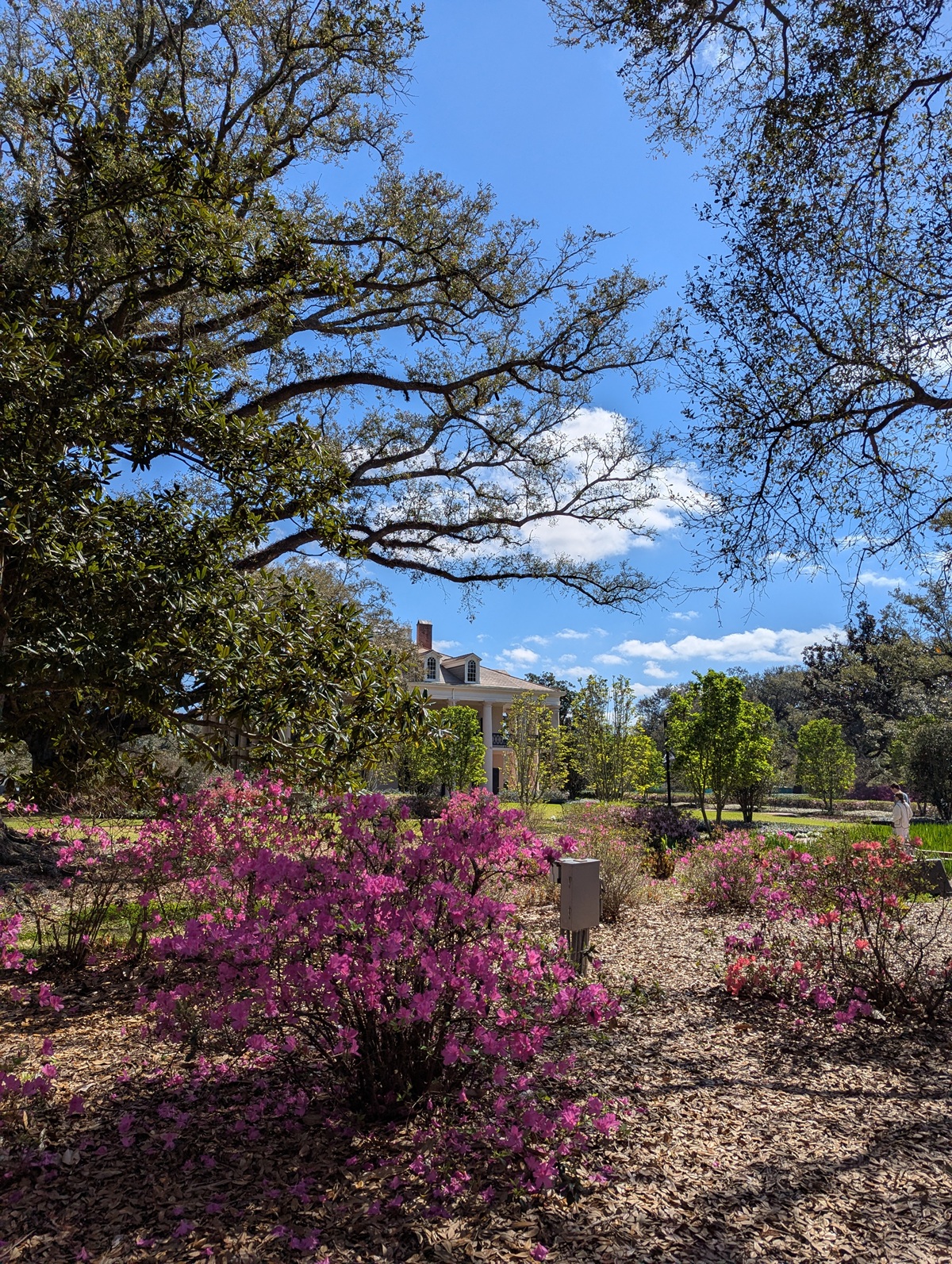
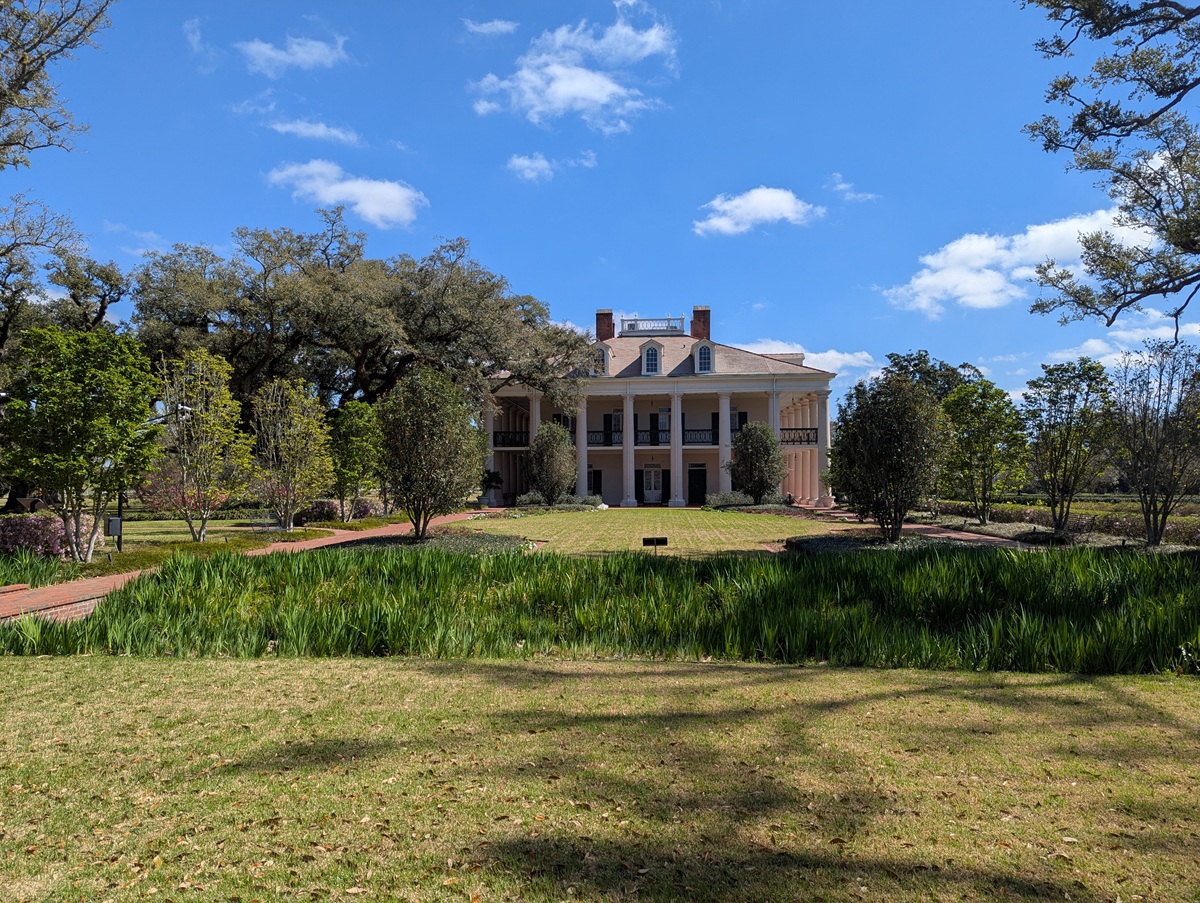
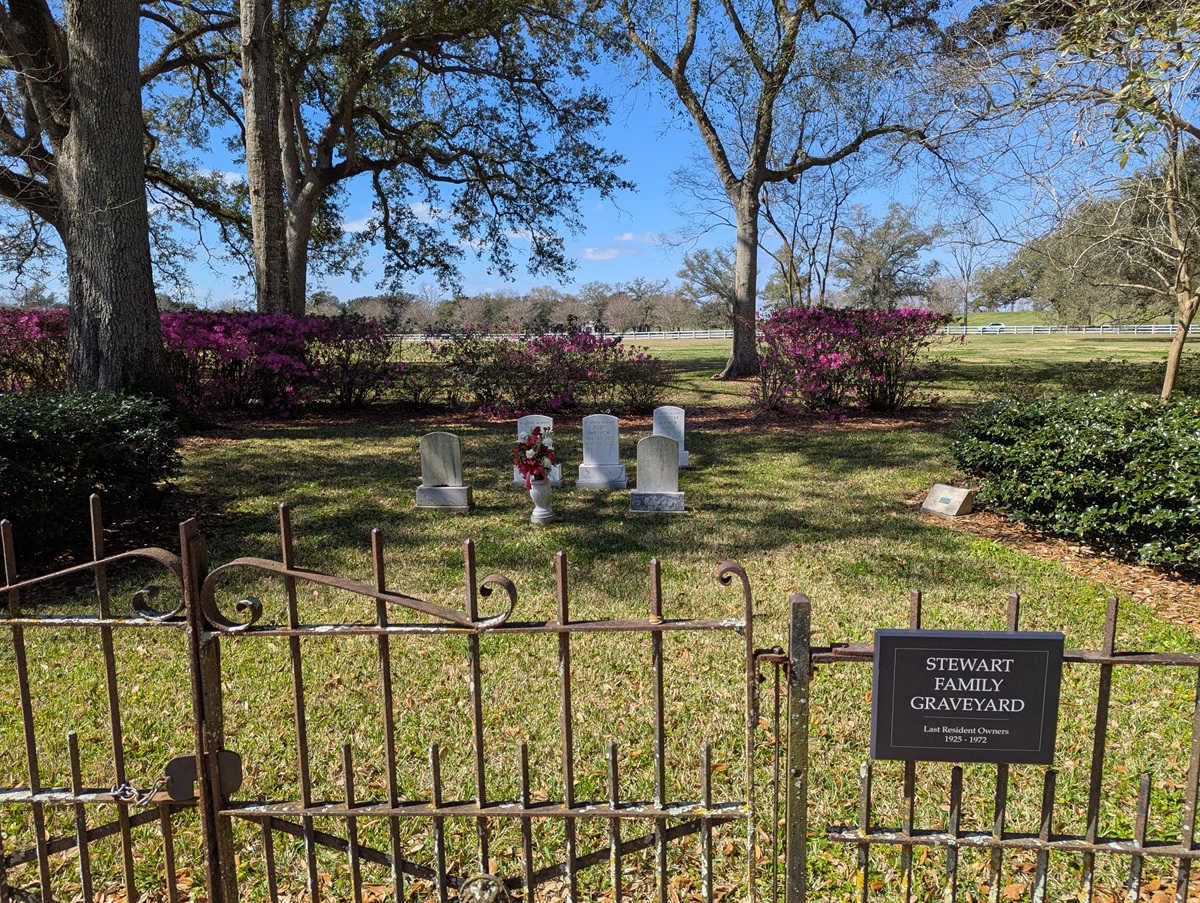
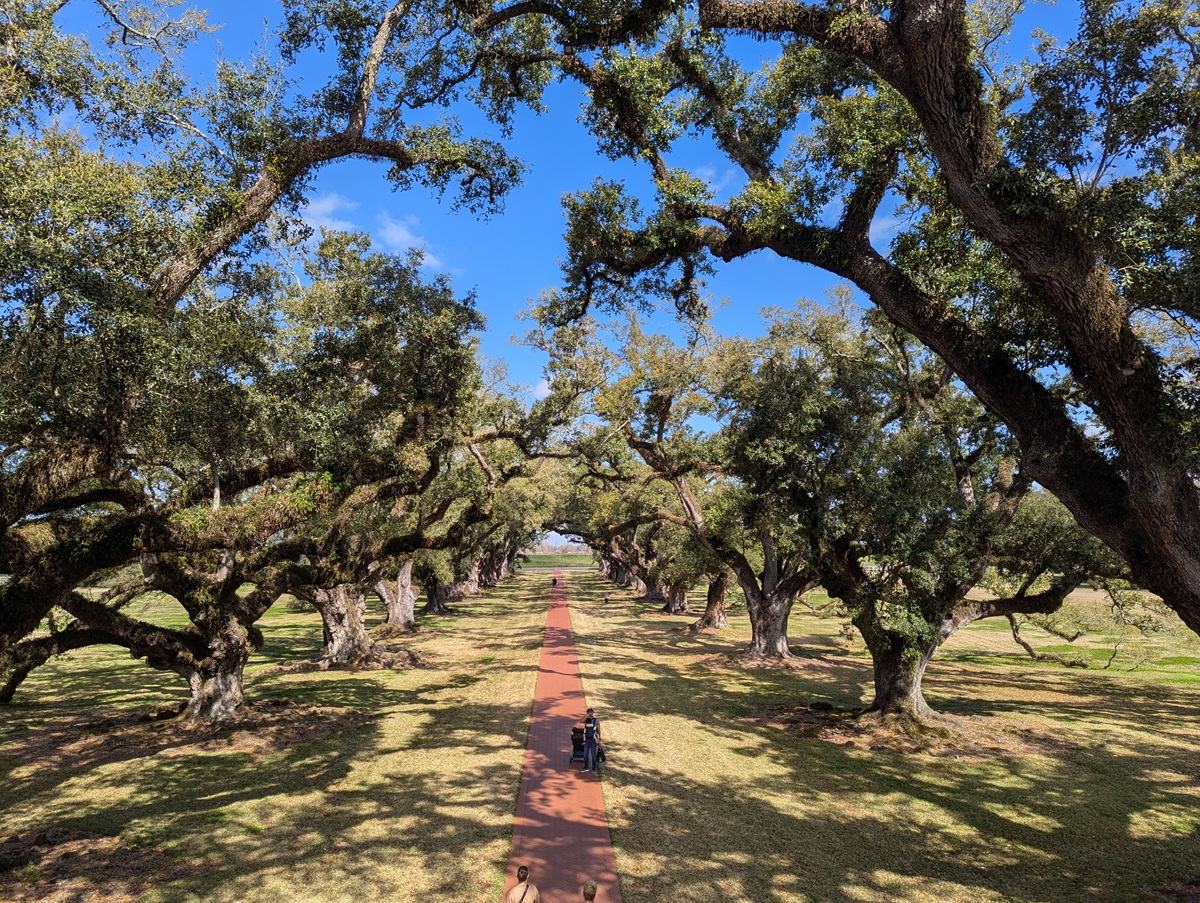
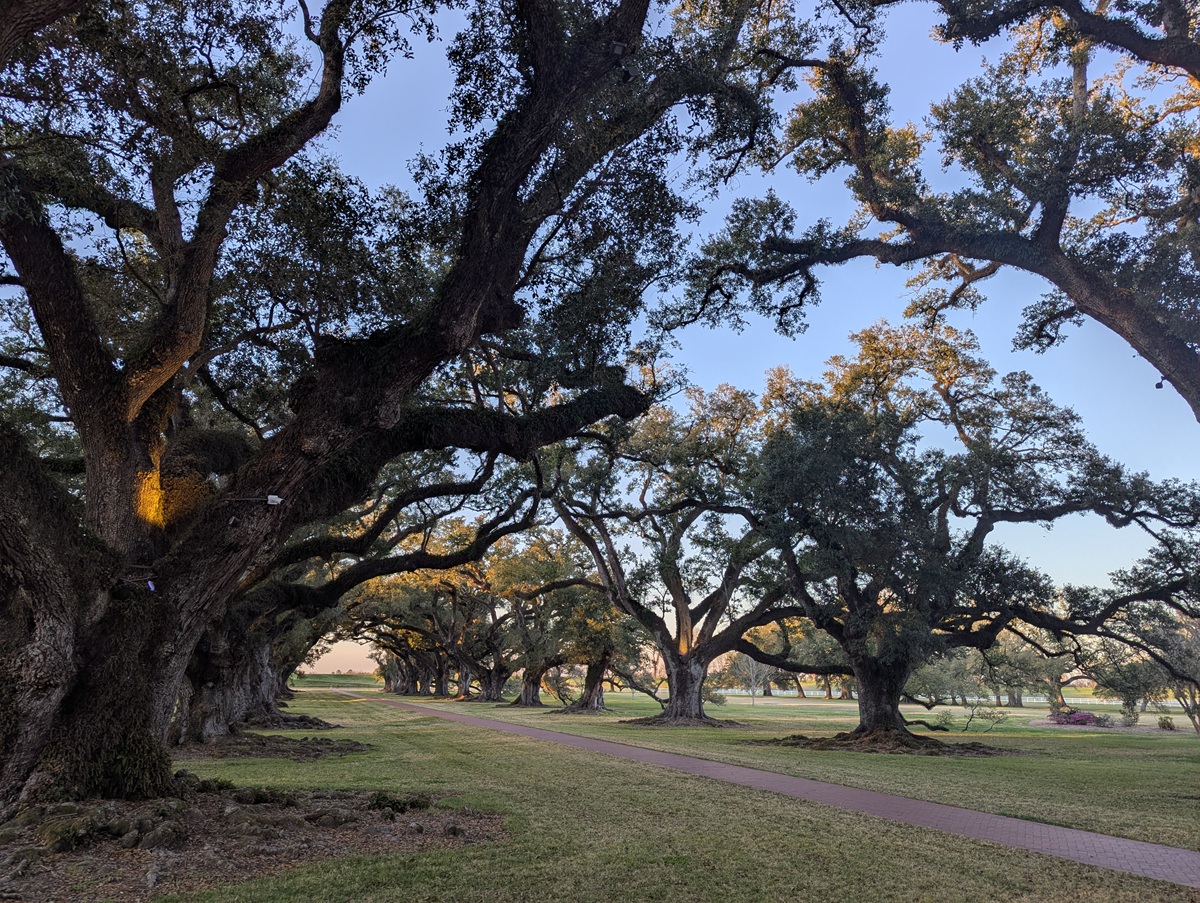
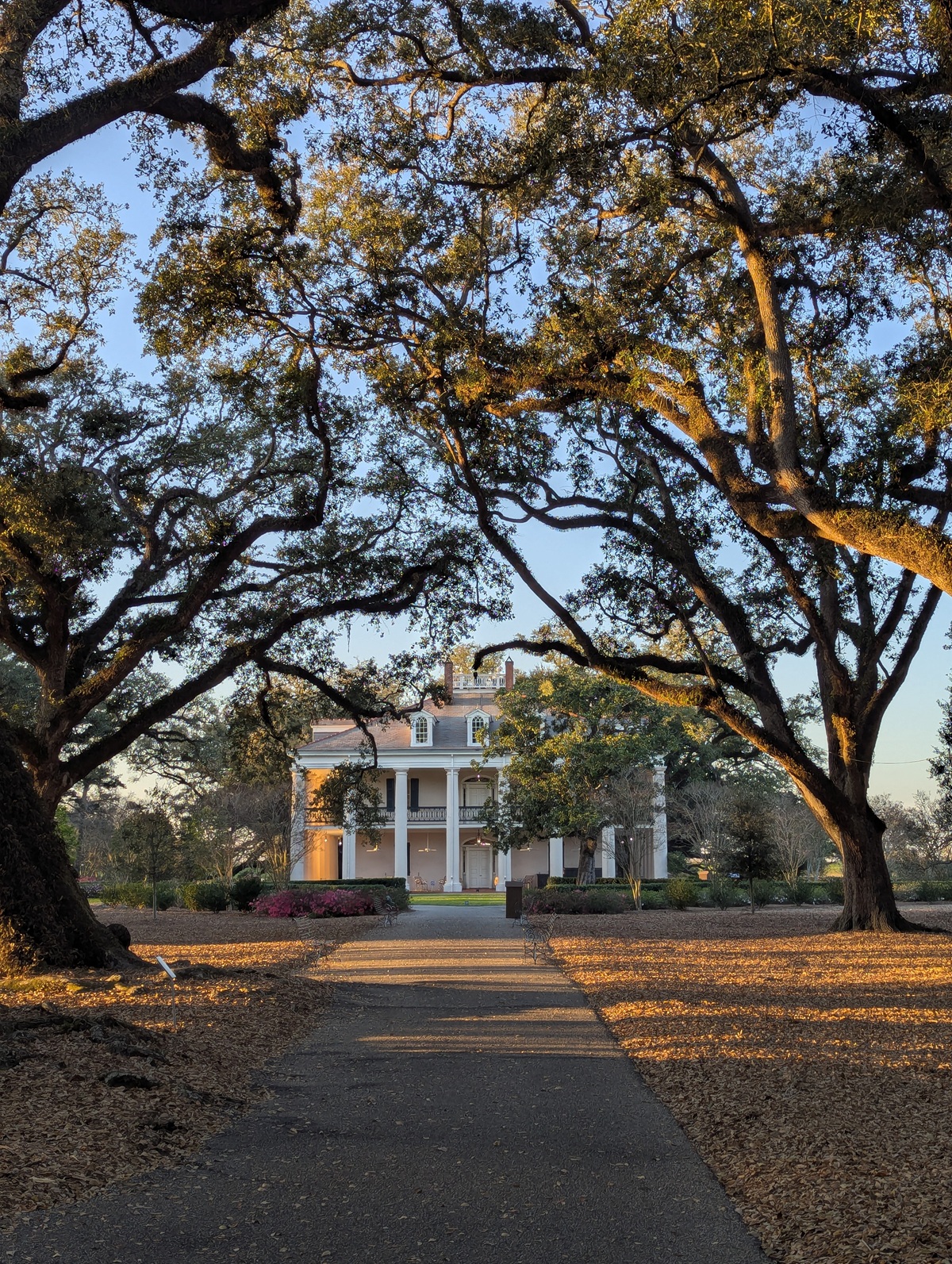
Oak Alley Plantation is worth visiting for its unforgettable setting as one of the most iconic historical sites in Louisiana. I recommend booking the guided Big House Tour rather than just exploring the grounds, because the tour connects the architecture of the home with the deeper history of the people who lived and worked here. If you’re considering spending the night, Oak Alley also has historic cottages on the property so you can really immerse yourself in the history.
What stood out to me most during my visit was how intentionally the tour contrasts the beauty of the house with the realities of slavery, reminding visitors that the wealth behind the mansion came from the labor of enslaved people.
Reasons to Visit Oak Alley Plantation
- Thoughtful interpretation of slavery and plantation life through exhibits like Slavery at Oak Alley and the Sugarcane Theatre.
- A guided mansion tour that connects architecture with social hierarchy, rather than focusing only on the house itself.
- Clear visual contrasts throughout the tour that highlight the lived experiences of both the plantation owners and the enslaved people.
- Extensive exhibits across the grounds covering the plantation’s history before and after the Civil War.
- One of the most recognizable historic landscapes in Louisiana, with the famous alley of live oaks leading to the mansion.
Book your Oak Alley Plantation tour here.
St. Joseph and Felicity Plantations
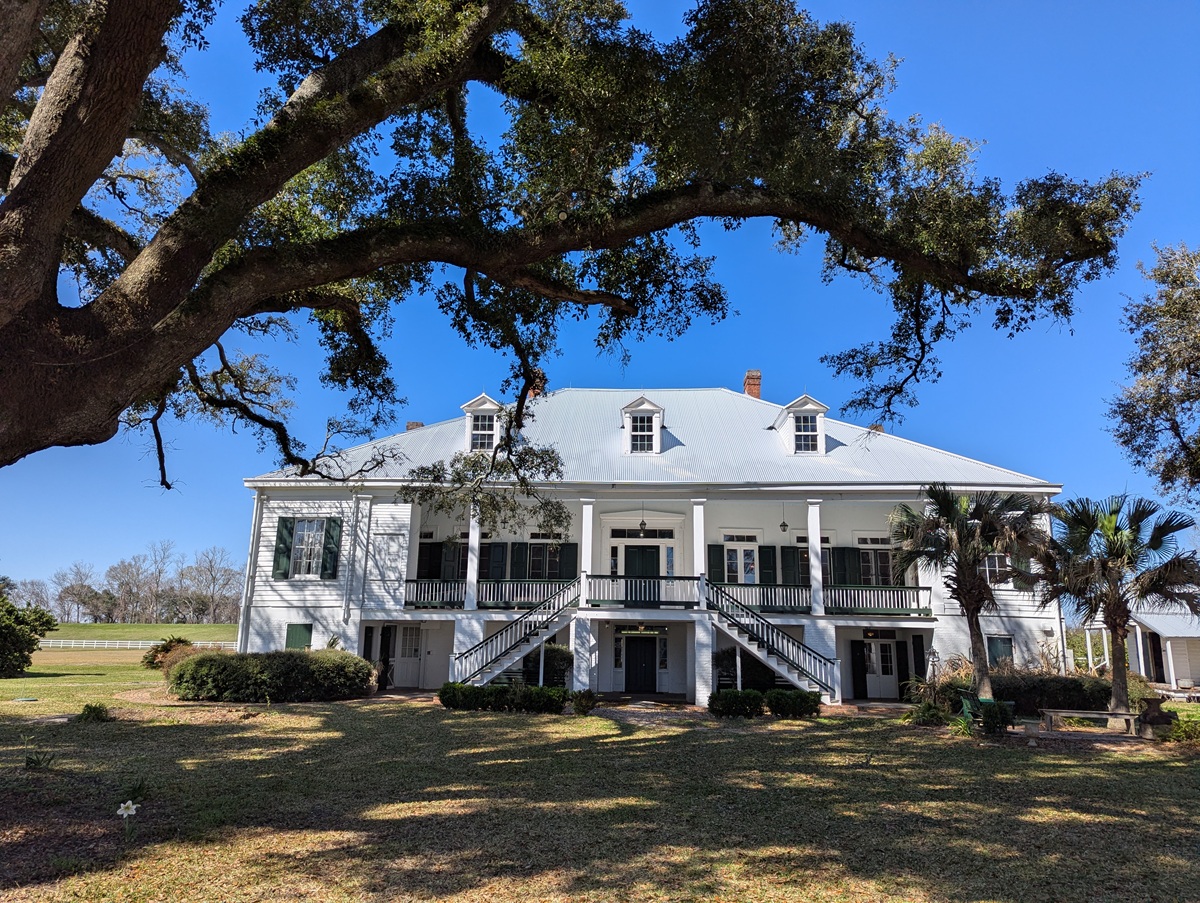
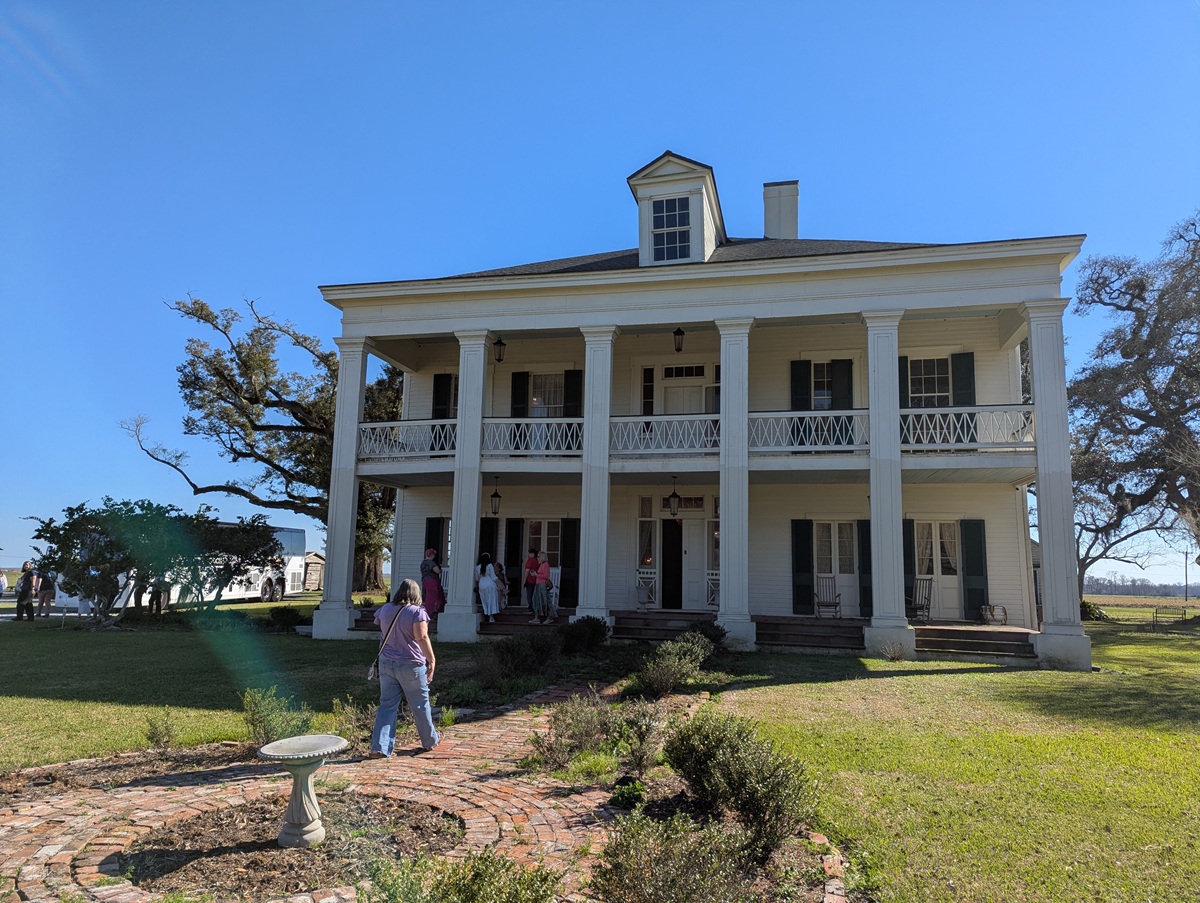
St. Joseph Plantation and Felicity Plantation sit side-by-side along Louisiana’s River Road and share a history: both properties have been owned by the same family since shortly after the Civil War, and both plantations are still part of a working sugarcane farm.
However, compared with other plantations along River Road, I would not recommend these for visitors who want to better understand the full history of plantation life.
How These Plantations Address Slavery
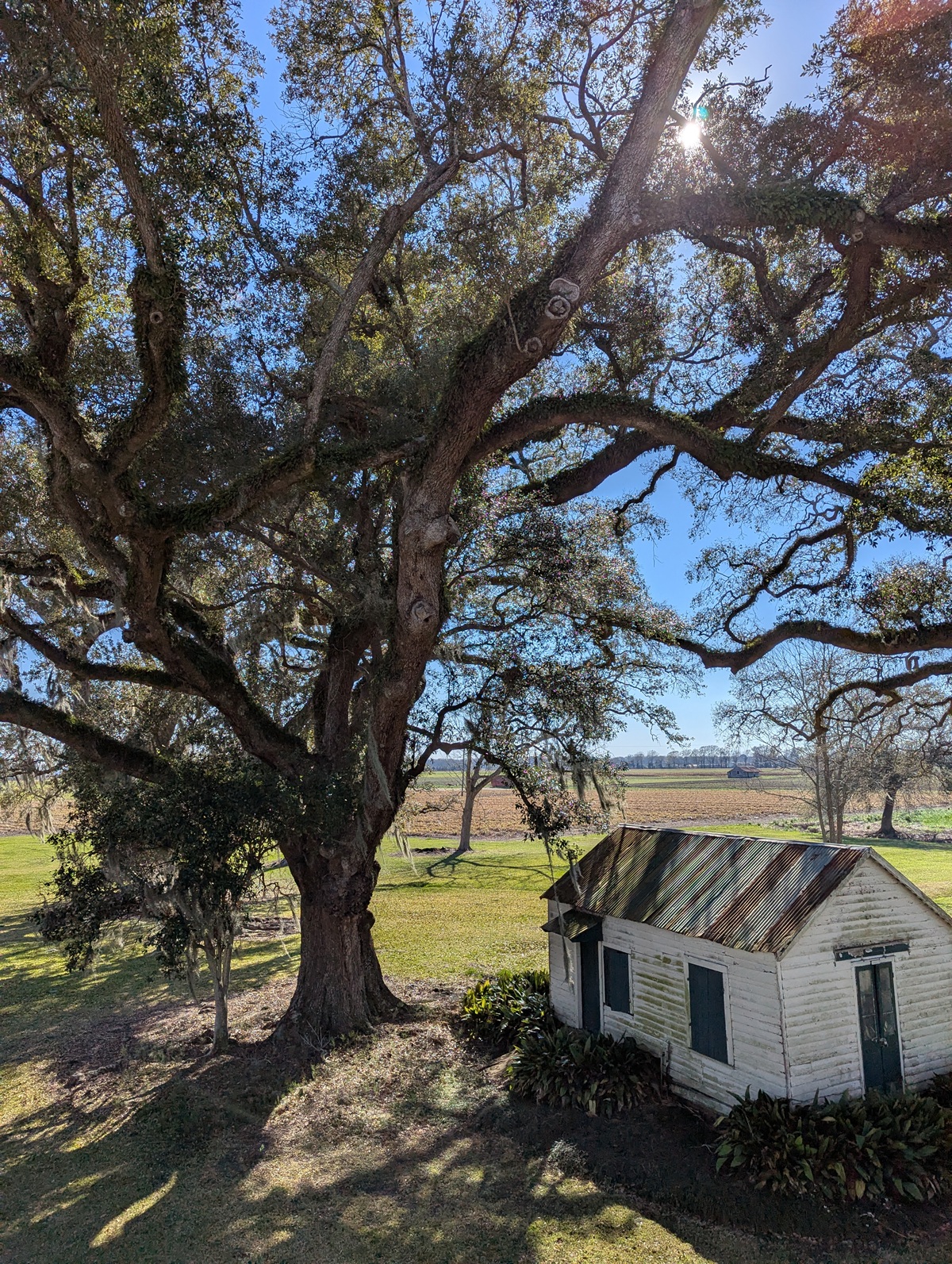
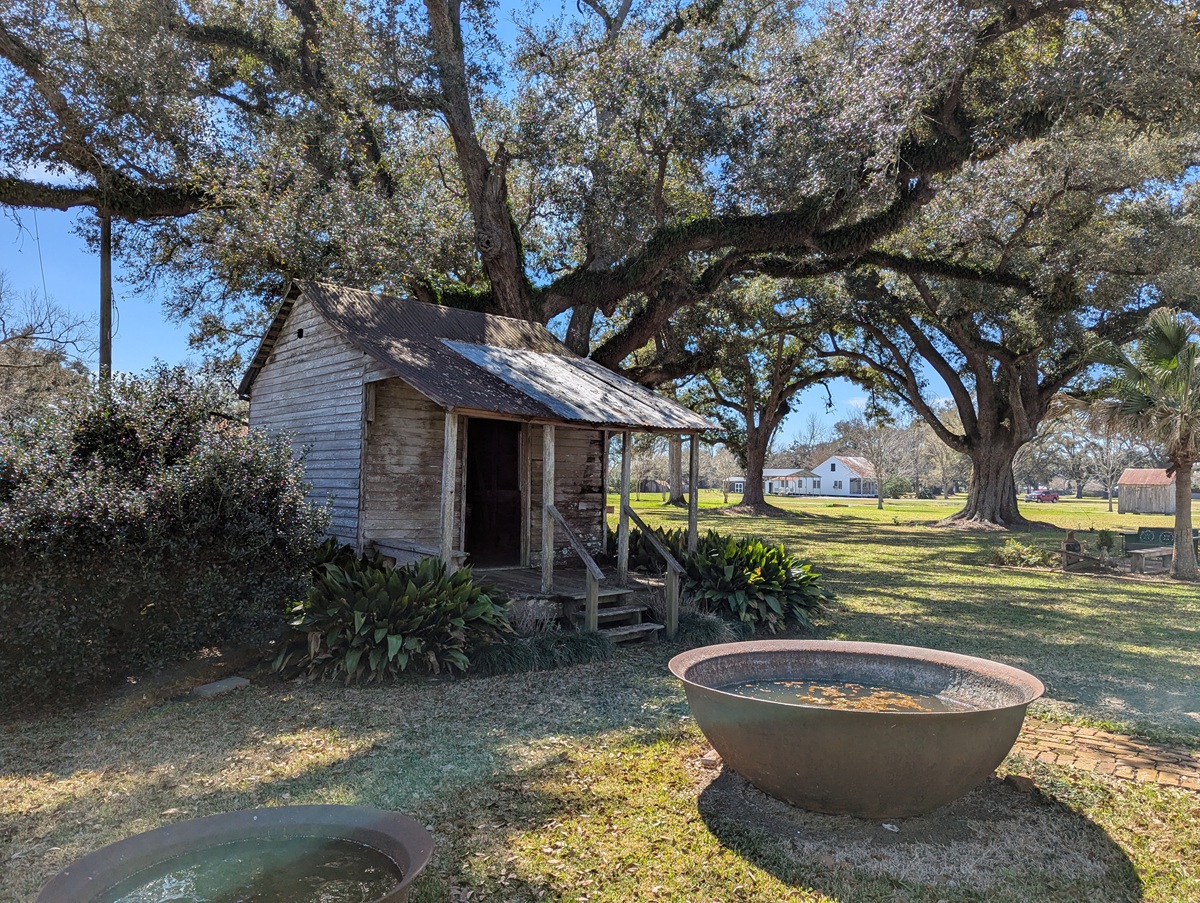
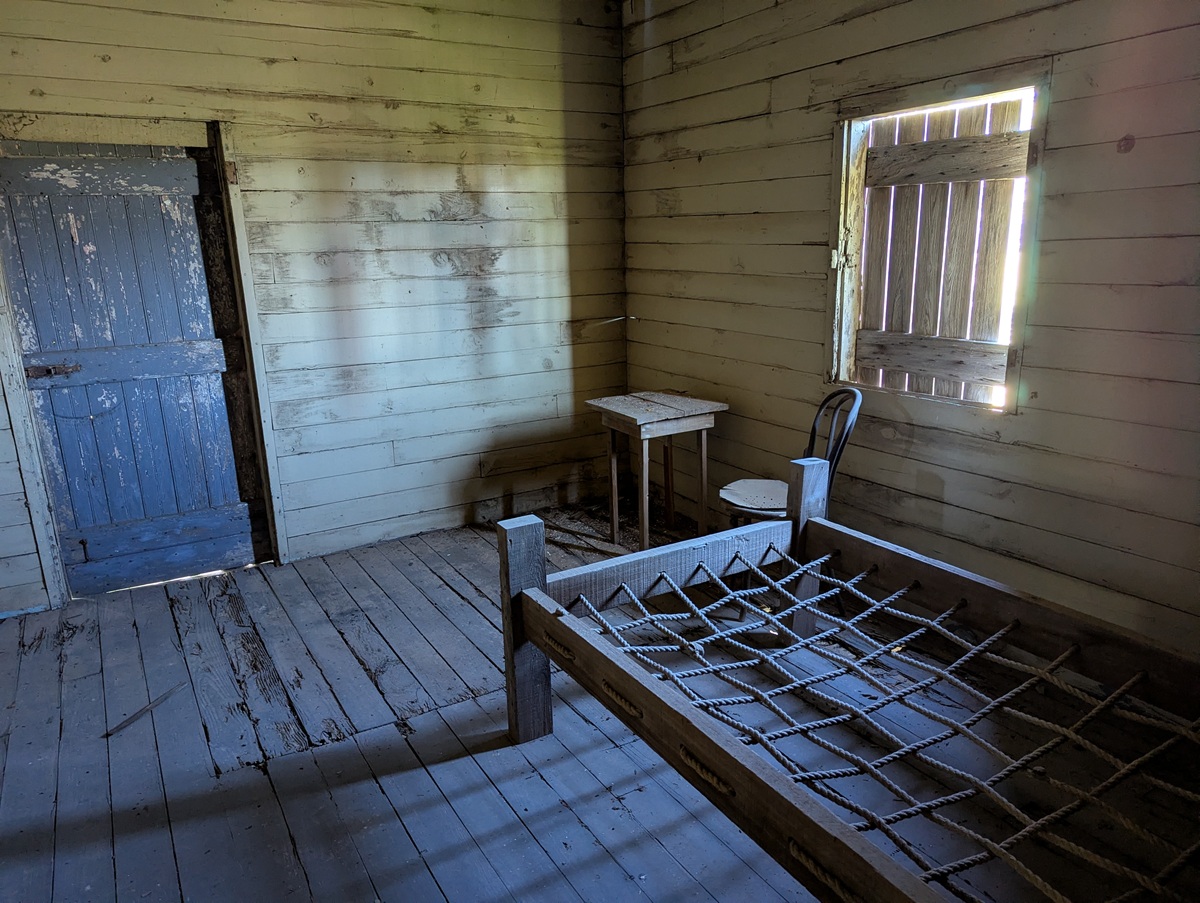
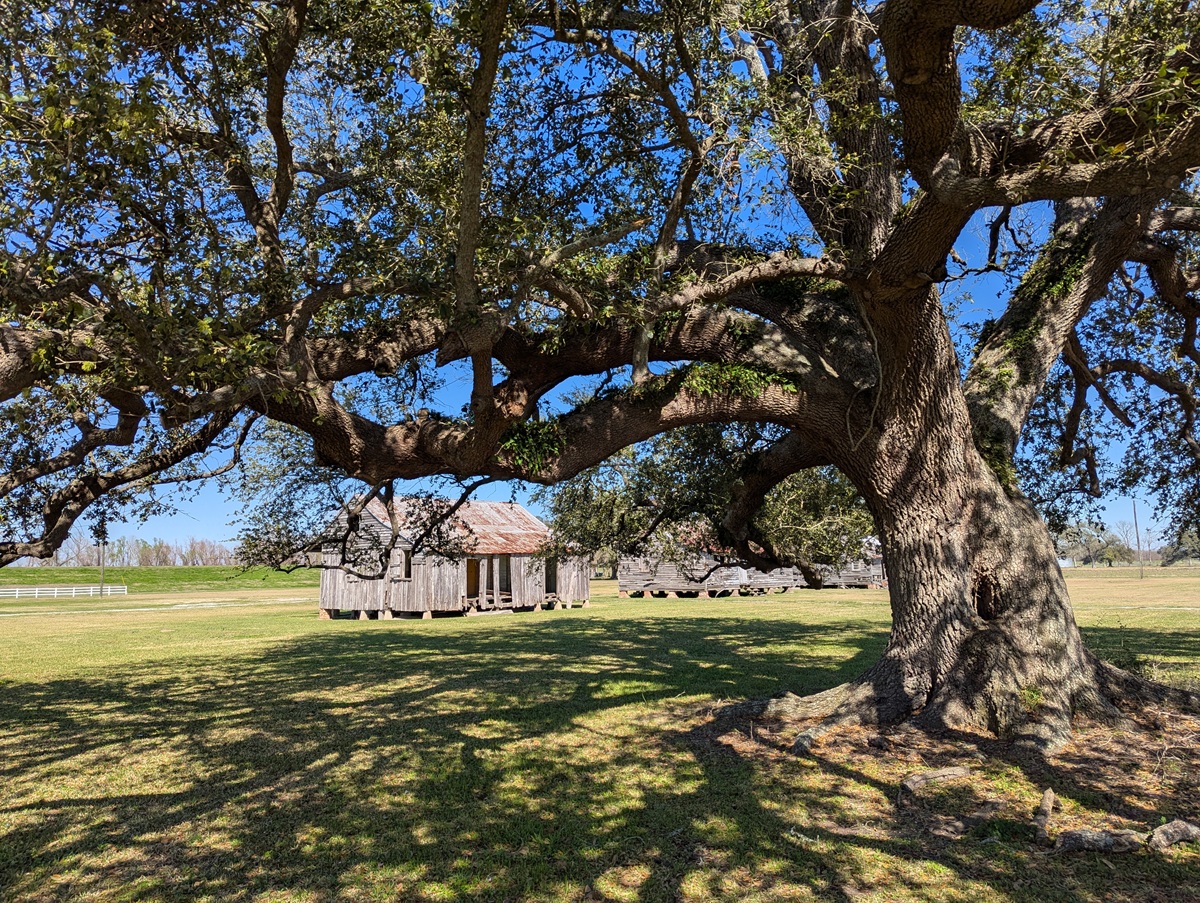
While I appreciate that St. Joseph and Felicity Plantation highlight the post–Civil War history of the property and the family that still operates the farm today, I found them lacking when it came to addressing the enslaved people who build these plantations.
Compared to sites like Whitney, Laura, and even Oak Alley, the tours here spend very little time discussing the history of slavery or the lives of the enslaved people who lived and worked on the plantation before emancipation. During my visit, most of the tour focused on the family who purchased the plantation after the Civil War.
That perspective is certainly part of the broader story of the plantation, but without deeper context about the enslaved people whose labor built the estate in the first place, the experience felt incomplete to me. If your goal is to learn about the full history of plantations in Louisiana, I would recommend prioritizing Whitney Plantation, Laura Plantation, or Oak Alley before visiting St. Joseph and Felicity.
That said, these plantations may still be interesting for visitors who enjoy seeing recognizable filming locations. Both properties have appeared in major movies and TV series — including 12 Years a Slave, Queen Sugar, and Underground — many of which tell powerful stories centered on Black history and experiences.
Why Visit St. Joseph Plantation and Felicity Plantation


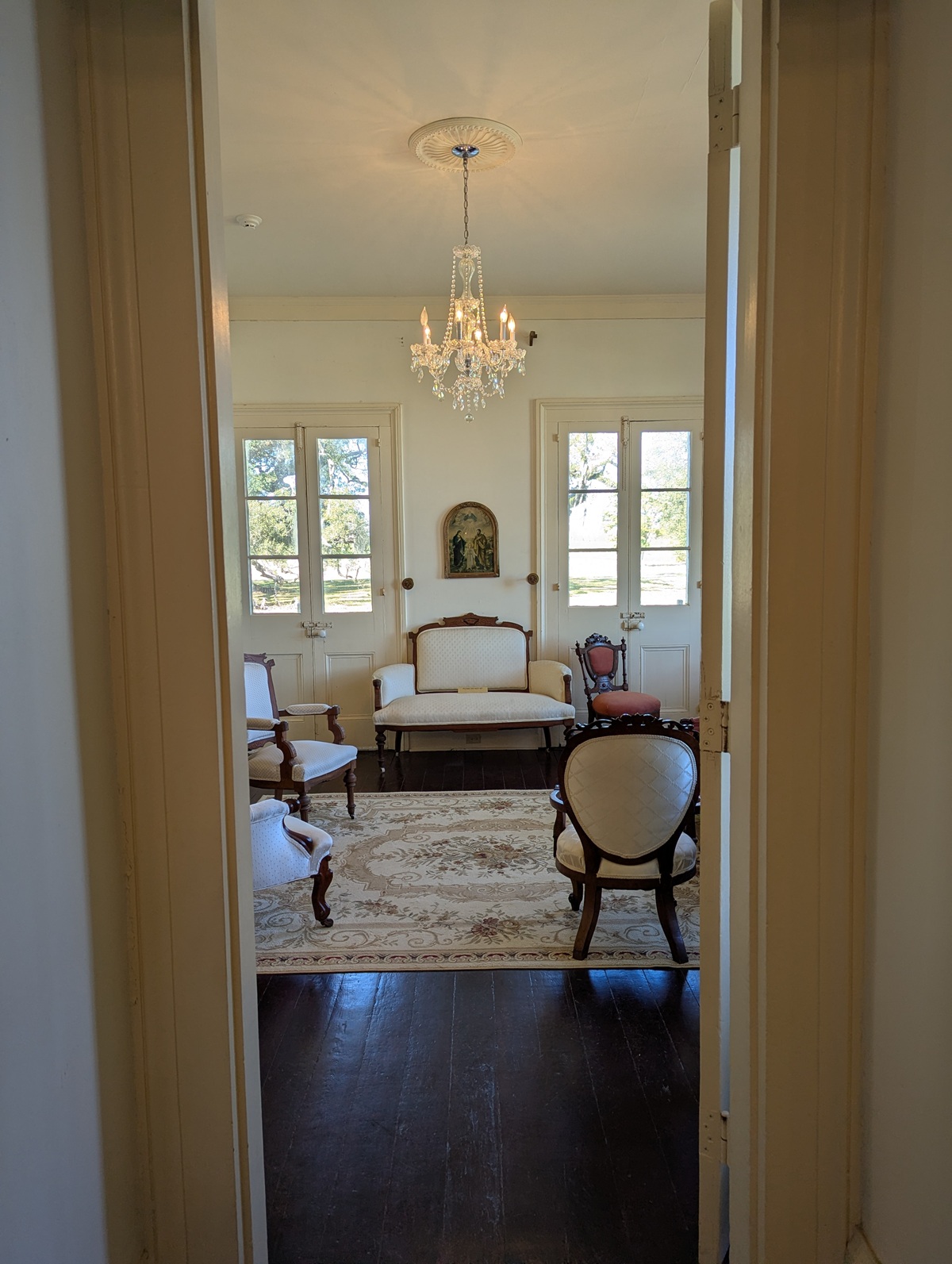
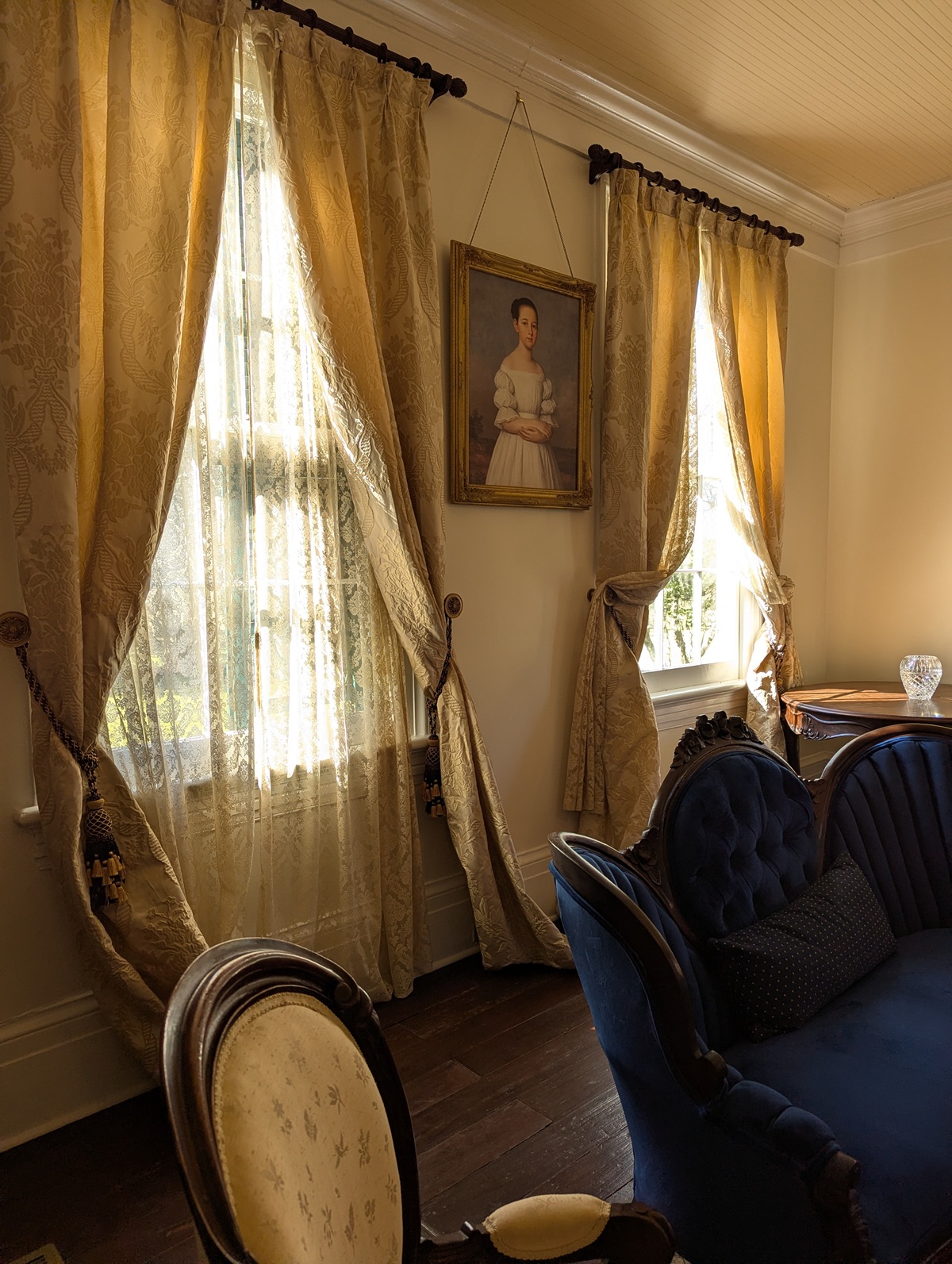
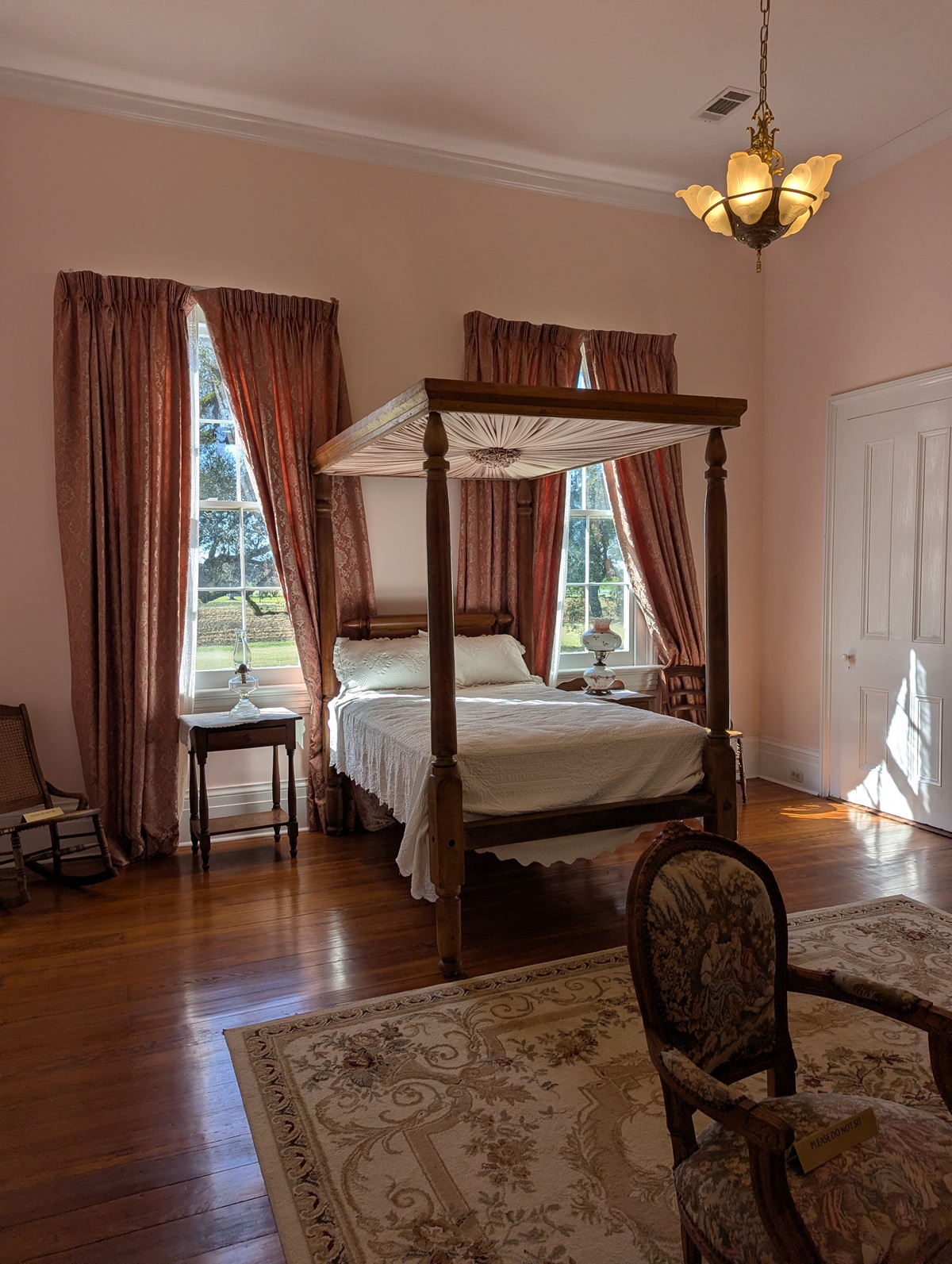
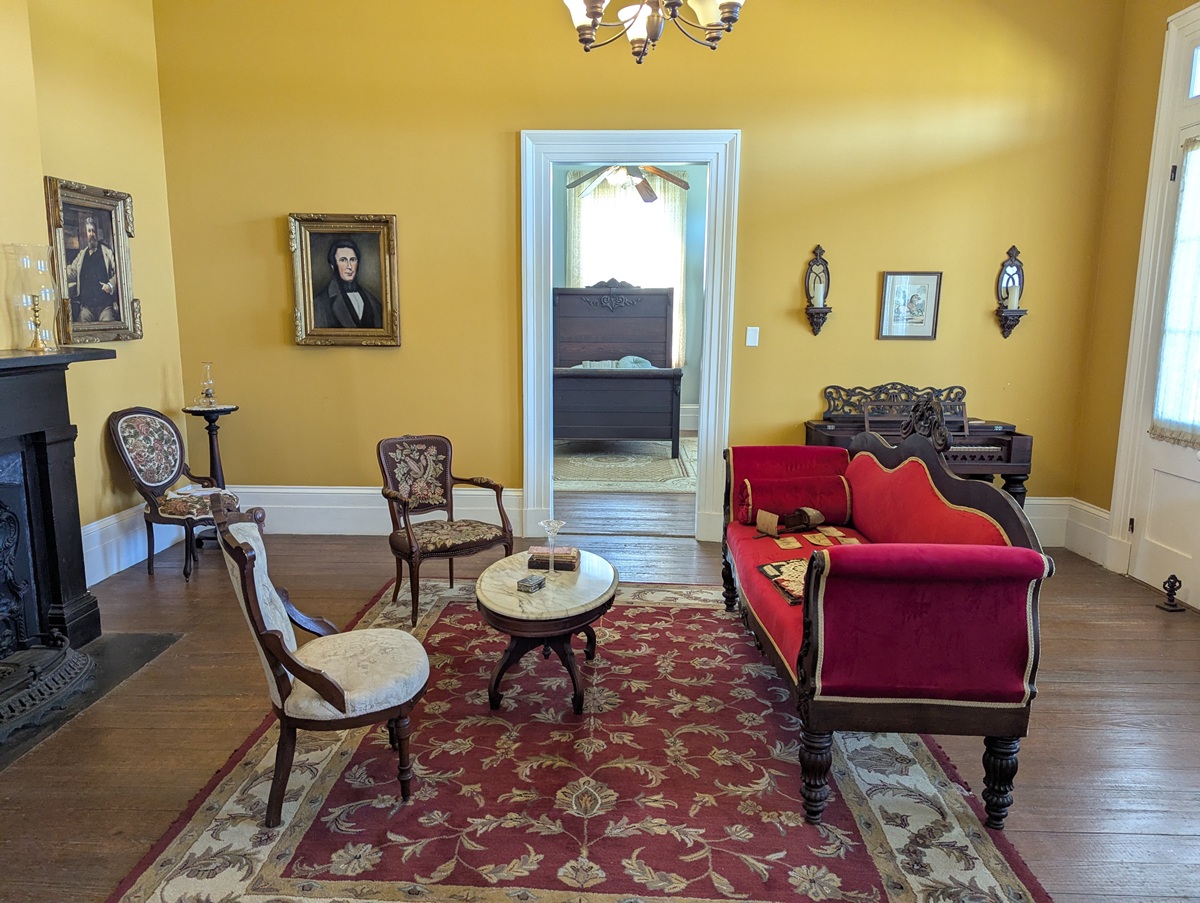
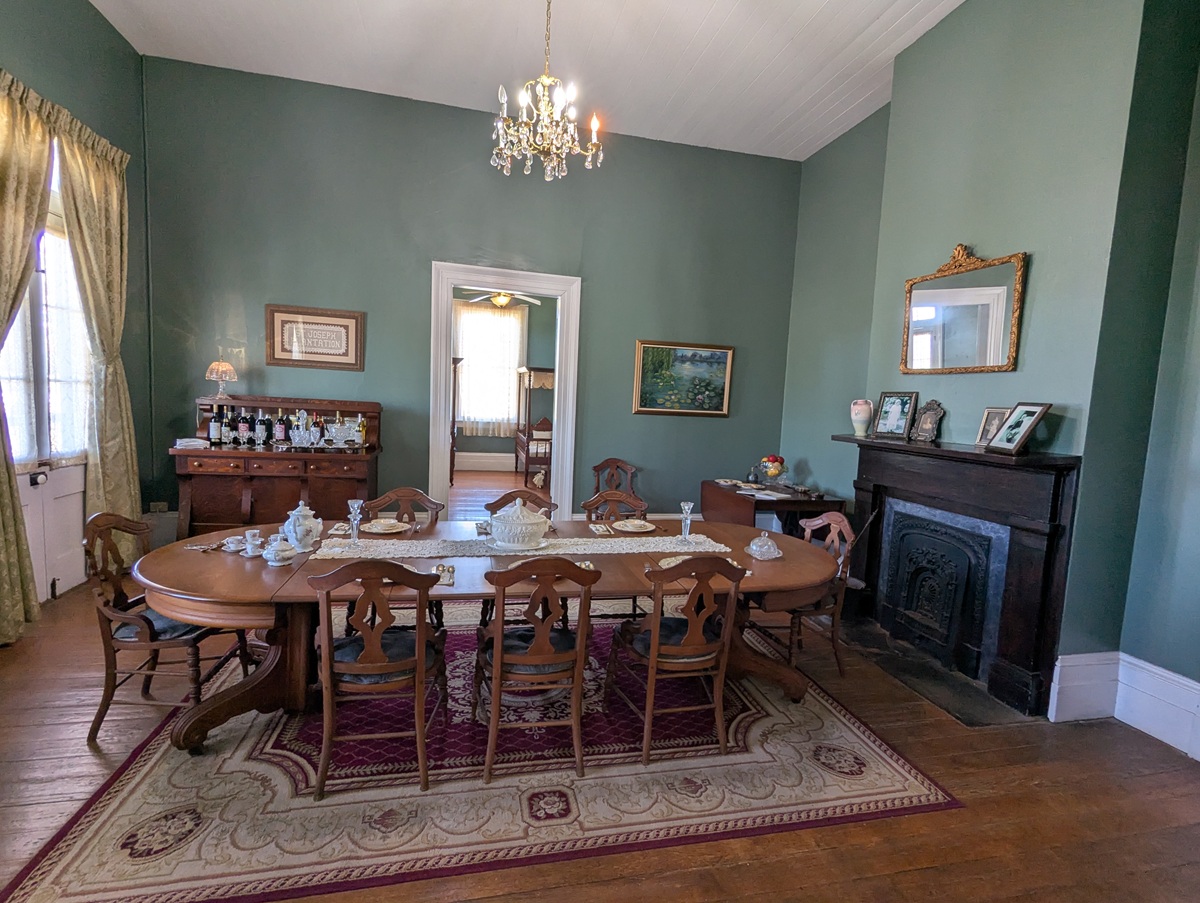
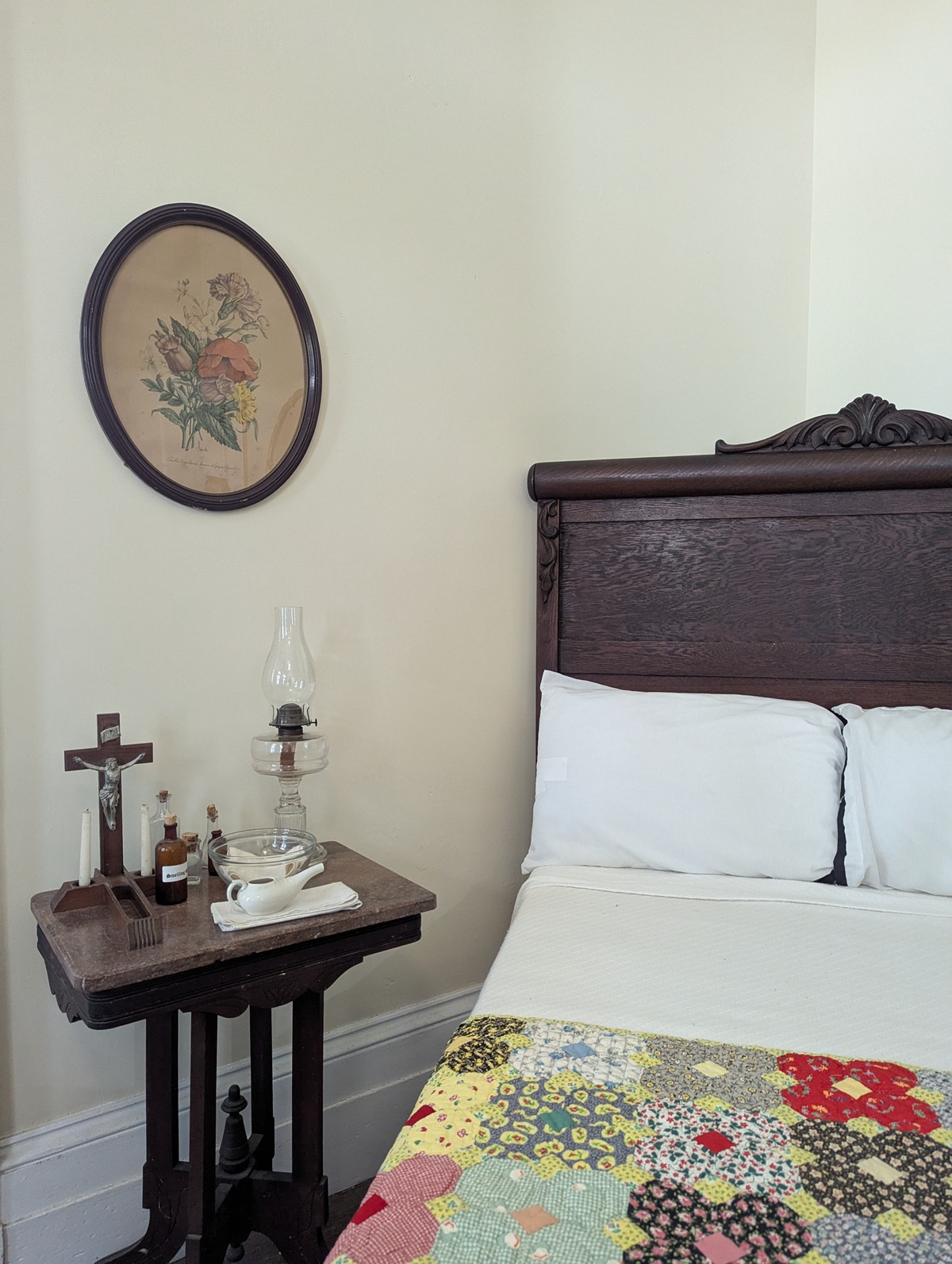
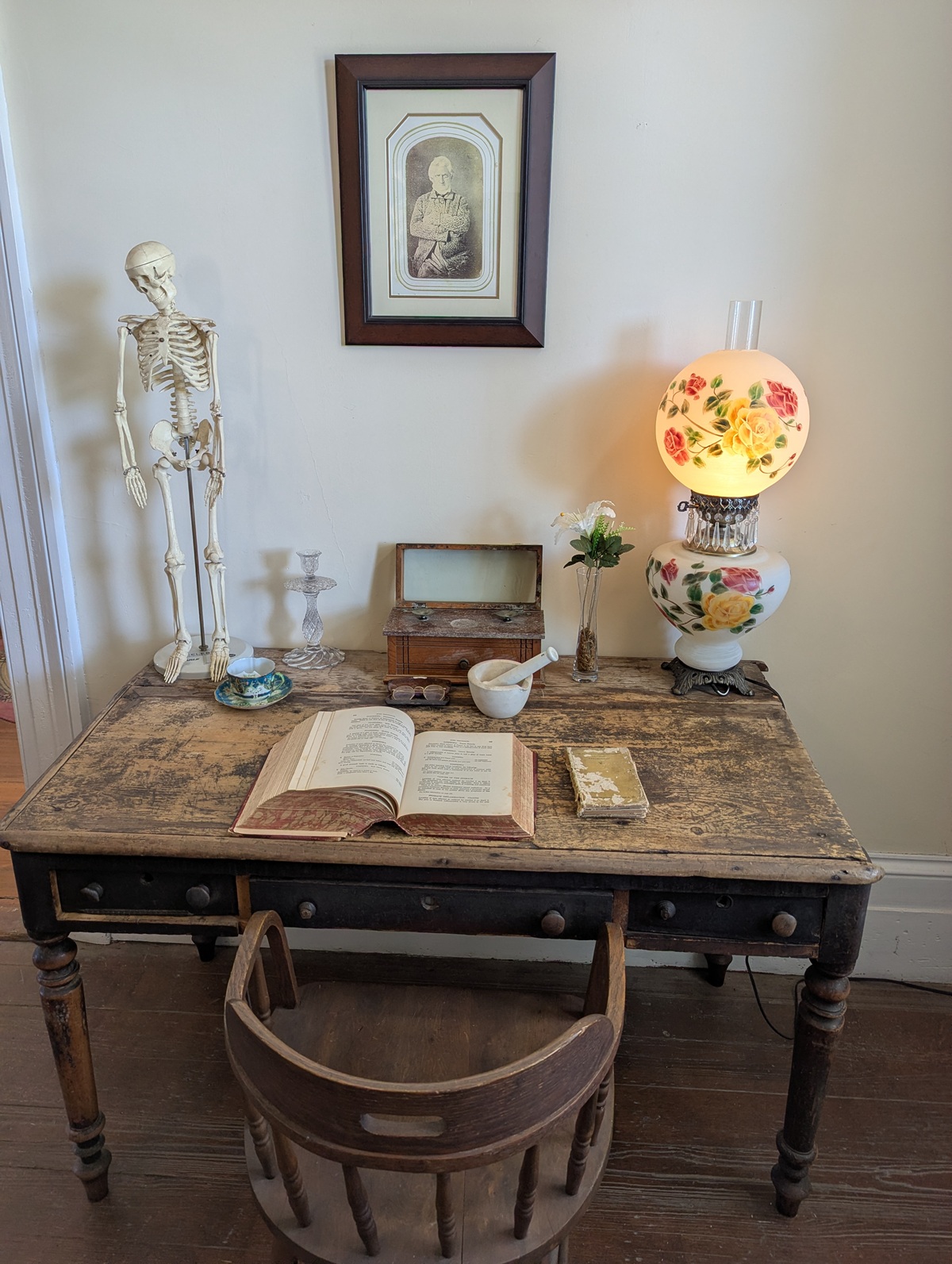
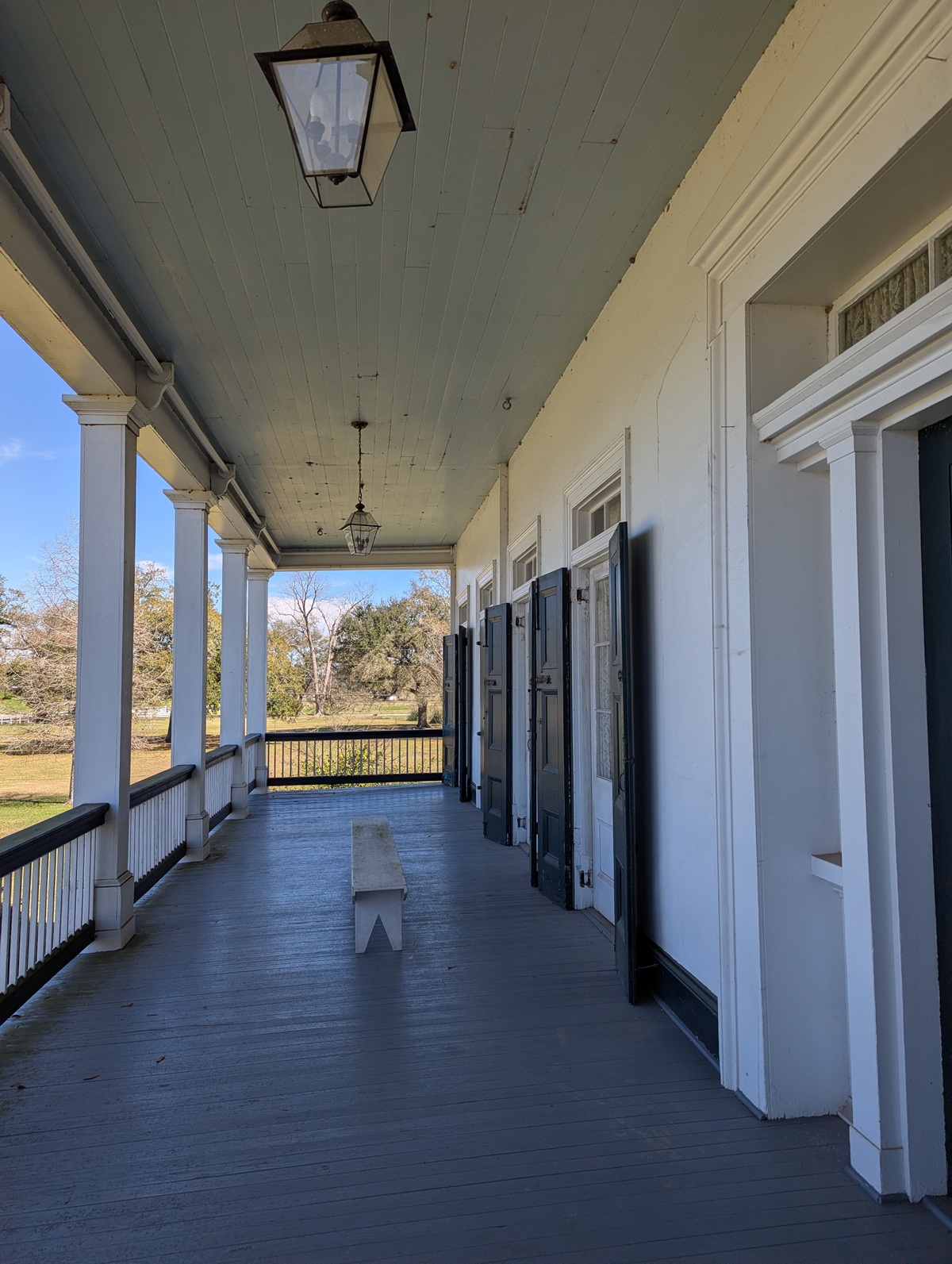
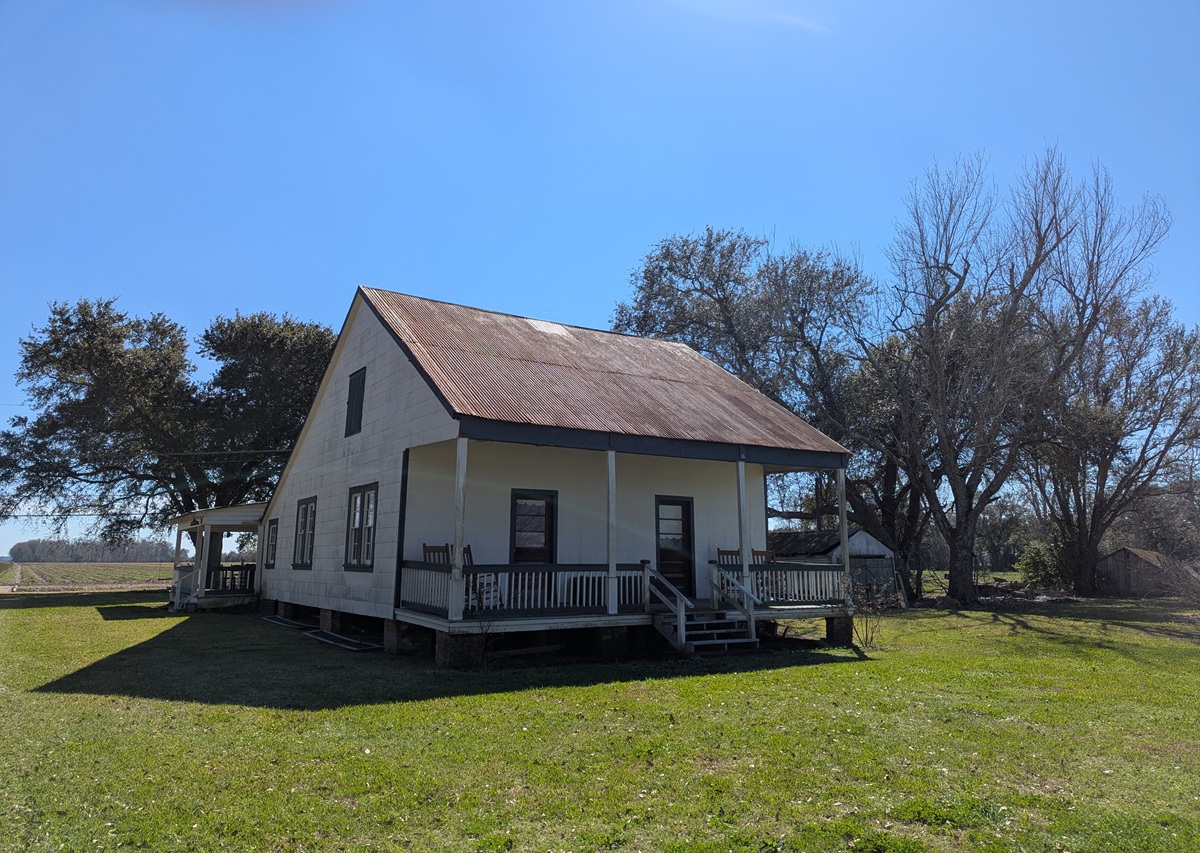
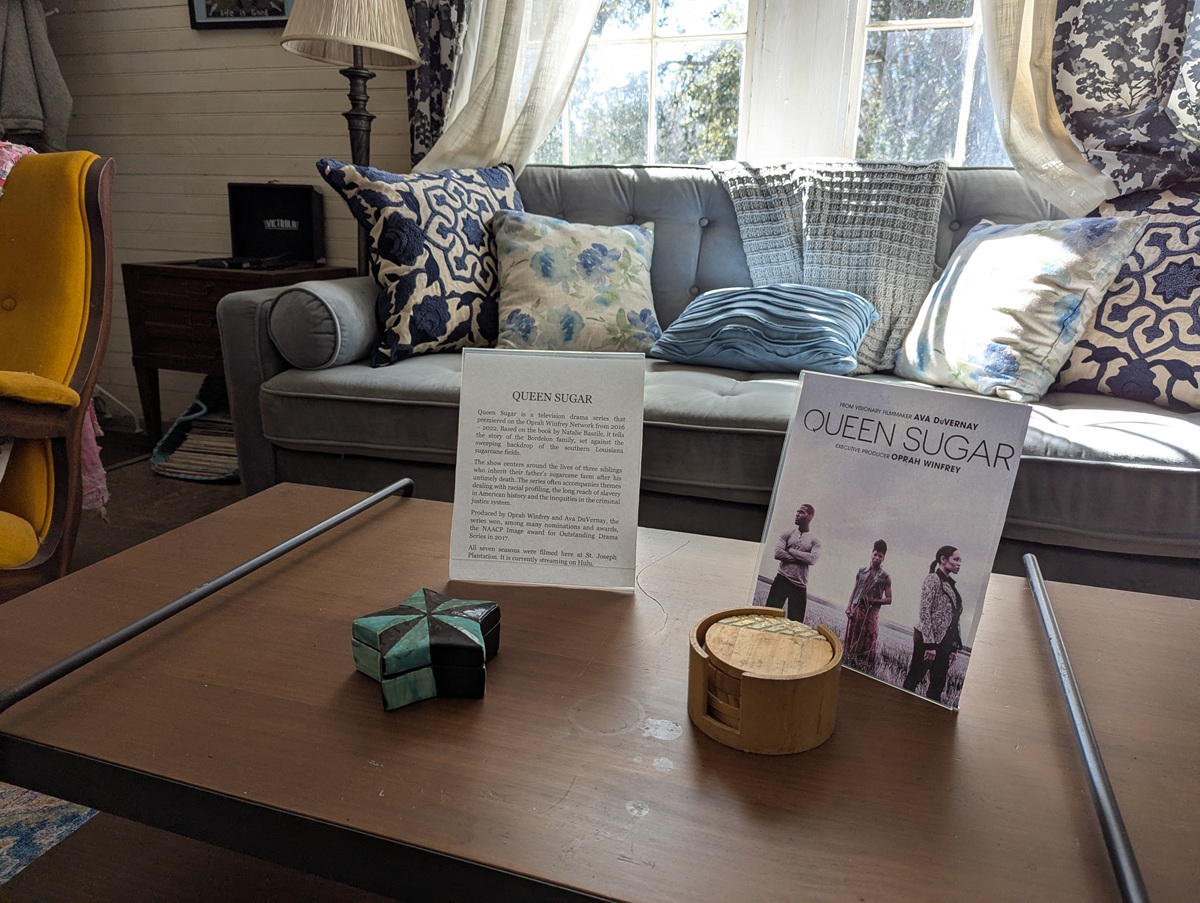
While I don’t recommend these properties for those looking for deeper context of plantation life, they do offer an interesting look at a working sugarcane farm and the family who owned the property after the Civil War, which is still a vital part of the region’s history.
Reasons to Visit St. Joseph and Felicity Plantations
- A look at a working sugarcane plantation that has remained in the same family since the late 1800s.
- Tours that focus on post–Civil War plantation life and family stories.
- Filming locations from movies and TV shows including 12 Years a Slave, The Skeleton Key, and Queen Sugar.
- The opportunity to tour two neighboring plantations in one visit.
Book your St. Joseph and Felicity Plantations Combo Tour here.
Which Plantation Near New Orleans Should You Visit?
Each plantation along Louisiana’s River Road offers a very different experience. If you’re trying to decide which one to visit, here’s a quick guide based on what each site does best.
Best for understanding the history of slavery: Whitney Plantation
Whitney Plantation is the only plantation museum in Louisiana dedicated entirely to telling the story of slavery. The exhibits, memorials, and audio tour center the voices of enslaved people and make this one of the most powerful historical experiences in the region.
Best storytelling tour: Laura Plantation
Laura Plantation offers one of the most engaging guided tours on River Road, weaving together archival research, personal memoirs, and the intertwined stories of the free and enslaved people who lived here.
Most iconic scenery: Oak Alley Plantation
With its famous alley of centuries-old live oaks leading to the mansion, Oak Alley is the most recognizable plantation near New Orleans. It’s also one of the most visited historic sites in Louisiana.
Best for film and TV locations: St. Joseph Plantation and Felicity Plantation
These neighboring plantations have appeared in several well-known films and television series, including 12 Years a Slave, The Skeleton Key, and Queen Sugar, making them especially interesting for film enthusiasts.
Top Picks: If you have time to visit more than one plantation, a popular combination is Whitney Plantation and Laura Plantation, which together offer a deeper understanding of both the history of slavery and the personal stories of the people who lived along River Road. These two plantations can easily fit into a weekend in the River Parishes.
Map of the Best Plantations Near New Orleans
Ready to visit these plantations near New Orleans? Use the map below to find all the plantations listed in this post, some of Louisiana’s River Parishes’ finest attractions!
I hope you learn a lot on these plantation tours!
FAQs About Visiting Plantations Near New Orleans
What plantations can you visit near New Orleans?
Several historic plantations along Louisiana’s River Road are open to visitors. Some of the most popular include Whitney Plantation, Laura Plantation, Oak Alley Plantation, and St. Joseph and Felicity Plantations. Each plantation offers a different perspective on the region’s history, architecture, and culture.
Which plantation near New Orleans is best to visit?
The best plantation to visit depends on what kind of experience you’re looking for. Whitney Plantation is widely known for its powerful museum focused on the history of slavery. Laura Plantation offers an engaging storytelling tour centered on Creole history. Oak Alley Plantation is the most iconic and photographed plantation, while still providing a balanced account of life on the plantation.
How far are the plantations from New Orleans?
Most River Road plantations are located about 45 minutes to 1 hour west of New Orleans along the Mississippi River. For example, the drive to Oak Alley Plantation takes roughly an hour from downtown New Orleans. Because many of the plantations are located close to one another, it’s easy to visit multiple sites in a single day.
Can you visit multiple plantations in one day?
Yes, you can easily see two plantations in one day, especially if they are located close together along River Road. A popular pairing is visiting Laura Plantation and Oak Alley Plantation on the same trip. If you want a deeper experience and more time to explore the exhibits, however, spreading visits across multiple days can be more enjoyable.
If you’re planning to visit more than one plantation in one day, I also recommend mapping out a lunch stop in advance since good restaurants in Louisiana’s River Parishes can be spread out between the plantation sites.
Do plantation tours talk about slavery?
Many plantation museums today actively address the history of slavery and the lives of enslaved people who lived and worked there. For example, Whitney Plantation is entirely dedicated to interpreting the history of slavery, while other plantations incorporate exhibits and historical interpretation into their tours and grounds.
Are plantation tours appropriate for children?
This depends on the plantation and the child’s age. Some plantations include exhibits and discussions that address slavery and difficult historical topics. Parents may want to review tour descriptions ahead of time to decide whether the experience is appropriate for their children.
Is it worth visiting plantations near New Orleans?
Yes, visiting a plantation provides an opportunity to learn more about the complex history of Louisiana and the Mississippi River region. Today’s plantation museums combine architecture, history, and cultural interpretation to help you better understand how these estates shaped the region’s past.
Save on New Orleans’s Top Attractions
Want to save big on New Orleans’s top attractions? You can use the Go City New Orleans Pass to save up to 50% on the cost of entrance tickets to 25+ museums, tours, and attractions all around the city
Visit bucket list attractions, enjoy top tours, and discover hidden gems handpicked by local experts. With one of these passes, you’ll have everything you need right on your phone.
Top New Orleans Tours
With so much to see, New Orleans can be overwhelming for any first-time visitor. Take some of the stress out of planning your visit with a guided tour! Check out these top New Orleans tours to make the most of your visit.
- Adults-Only New Orleans Ghost, True Crime, Voodoo, and Vampire Walking Tour
- New Orleans Food Walking Tour of the French Quarter with Small-Group Option
- Three Hour City Tour of New Orleans
- New Orleans Demonstration Cooking Class & Meal
- New Orleans Hands-On Cooking Class & Meal
- New Orleans City Tour: French Quarter, Garden District & Cemetery
Where to Stay in New Orleans
- Top Hotel: The Pontchartrain Hotel
- Great Value: Hotel Provincial
- Unique Stay: Historic Stylish Townhouse
More Louisiana Itineraries
- Ultimate River Road Plantation Itinerary near New Orleans
- 16 Can’t-Miss Things To Do in New Orleans, Louisiana
- Staying at Oak Alley Plantation Overnight: Historic Cottages Review
- 16 Best Things to Do in Louisiana’s River Parishes near NOLA
- 3 Days in Louisiana’s River Parishes near New Orleans
- 11 Restaurants in Louisiana’s River Parishes Worth the Drive
- 14 Best Summer Vacation Spots in the South
- 14 Best Spring Break Destinations in the South
- 14 Best Winter Vacations in the South
- 14 Best Fall Vacations in the South
Ready to visit New Orleans, Louisiana? Plan your trip with these tips.
- Book Your Flight: Find the cheapest flights using Skyscanner, my favorite flight search engine.
- Find Accommodation: You can find top hotels in New Orleans using Booking.com.
- Get Packing: Make sure you’ve packed everything you need with my packing list resources.
- Save on Attractions: Save up to 55% on admission to top New Orleans attractions using the Go City New Orleans pass.
Cheers!
Paige

Which of these plantations near New Orleans are you planning on visiting? Let me know in the comments!


